Common Misconceptions About Oral Care: Myths vs. Facts
When it comes to maintaining a healthy smile, misinformation spreads just as easily as good intentions. Many people hold onto outdated beliefs about oral care that can actually harm their dental health rather than protect it. From brushing habits to the frequency of dental visits, these misconceptions often lead to improper hygiene practices and delayed treatment. Understanding the facts about oral care is essential for anyone who wants to maintain their teeth and gums for life.
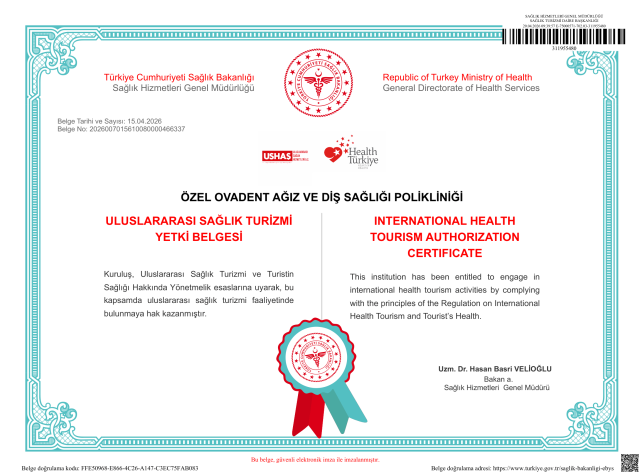
På Ova Dent Dental Clinic in Alanya, our experienced dental team encounters these myths regularly and takes time to educate patients about evidence-based oral health practices. Let’s explore some of the most common misconceptions and set the record straight.
Myth 1: You Only Need to Visit the Dentist When Your Teeth Hurt
The Fact: This is one of the most damaging misconceptions about oral care. By the time a tooth hurts, significant damage has often already occurred. Dental problems like cavities, gum disease, and infections develop silently in their early stages.
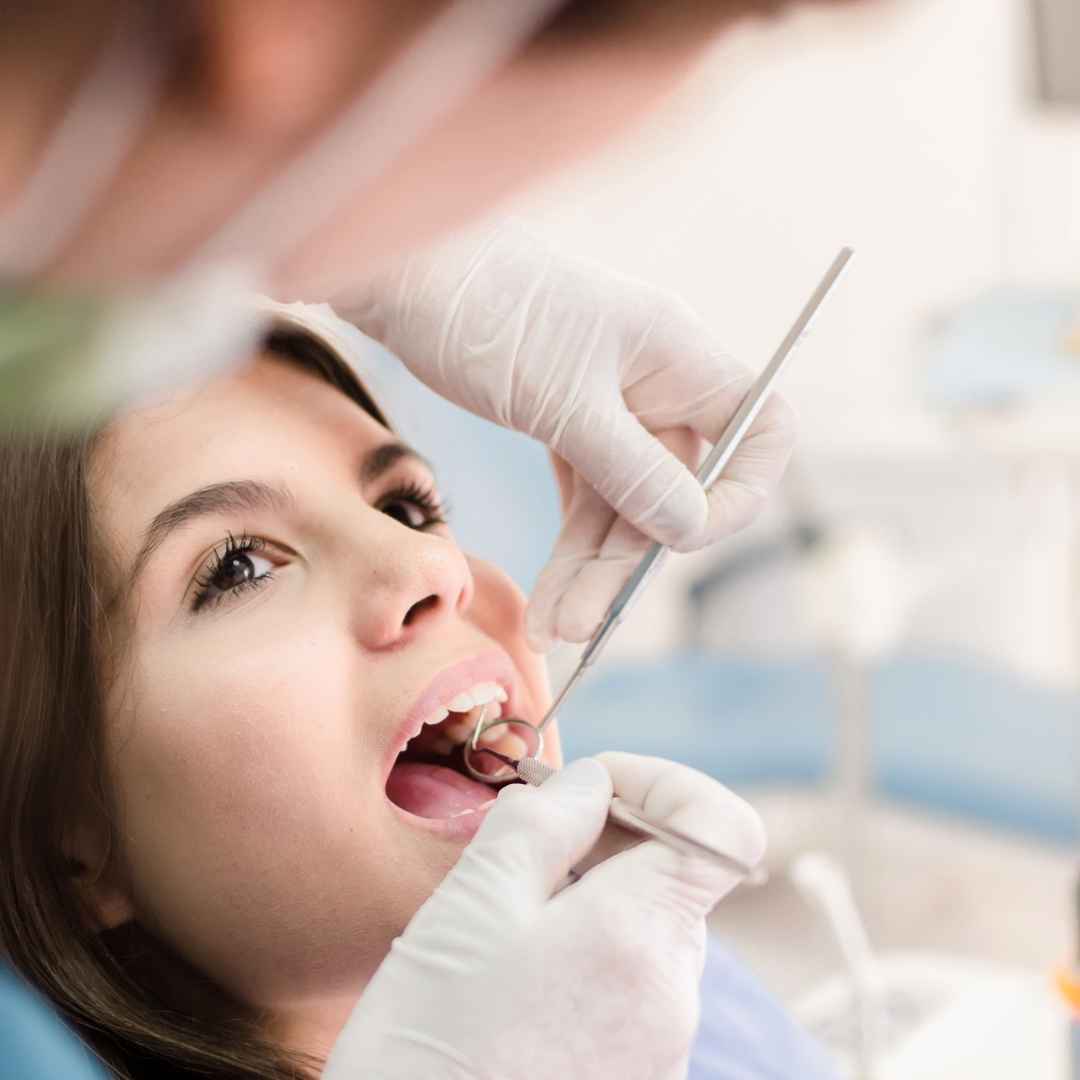
Regular dental examinations allow your dentist to detect issues before they become painful or require expensive treatment. Professional cleanings remove tartar buildup that home brushing cannot eliminate. Preventive dental care visits every six months can catch problems early, making treatments simpler and more affordable. Your dentist in Alanya can assess your individual risk factors and recommend an examination schedule tailored to your needs.
Myth 2: Brushing Harder Cleans Teeth Better
The Fact: Aggressive brushing doesn’t improve cleaning—it actually damages your teeth and gums. Brushing too hard can wear away tooth enamel, the protective outer layer of your teeth, and cause gum recession.
Effective oral hygiene relies on technique, not force. Use a soft-bristled toothbrush and gentle circular motions for about two minutes. The goal is to remove plaque and food debris without harming the tooth structure. Your dental team can demonstrate the proper brushing technique during your next visit to ensure you’re protecting your teeth while keeping them clean.
Myth 3: Flossing Isn’t Really Necessary
The Fact: Flossing is absolutely essential for complete oral care. Your toothbrush can only clean about 60 percent of your tooth surfaces. Flossing reaches the spaces between teeth and below the gumline where plaque and food particles accumulate.
When plaque builds up in these areas, it leads to gum disease, tooth decay, and eventually tooth loss. Regular flossing removes this plaque and helps maintain healthy gums. If you struggle with traditional floss, water flossers and interdental brushes offer effective alternatives. A consistent flossing routine is a cornerstone of preventive dentistry.
Myth 4: Sugar Is the Only Cause of Cavities
The Fact: While sugar does contribute to cavity formation, it’s not the only culprit. Any carbohydrate—including bread, pasta, and fruit—can feed the bacteria in your mouth that produce acid and cause decay.
The timing and frequency of consumption matter as much as the type of food. Sipping sugary drinks throughout the day exposes your teeth to acid repeatedly, creating ideal conditions for cavity development. Preventive care and proper nutrition guidance help protect your teeth from decay. Your dentist can provide personalized advice on dietary habits that support oral health.
Myth 5: Whitening Damages Your Teeth
The Fact: Professional teeth whitening, when performed by a qualified dentist, is safe and effective. Many misconceptions about whitening arise from people using over-the-counter products incorrectly or with unrealistic expectations.
Professional whitening treatments use carefully controlled concentrations of whitening agents under dental supervision. This approach minimizes sensitivity and delivers consistent results. Unlike some retail products, professional whitening is customized to your tooth type and shade goals. If you’re interested in achieving a brighter smile, consult your dentist about safe, evidence-based whitening options.
Myth 6: You Don’t Need to Brush if You Don’t Eat
The Fact: Plaque forms constantly in your mouth, regardless of whether you’ve eaten. Bacteria naturally present in your mouth combine with saliva and oral proteins to create plaque.
Brushing twice daily—even if you haven’t consumed food—removes this plaque and prevents gum disease and decay. Morning and evening brushing is the foundation of good oral hygiene. Rinsing with water after meals can supplement your routine, but it doesn’t replace brushing with a fluoride toothpaste.
Myth 7: Baby Teeth Don’t Matter Because They Fall Out
The Fact: Primary teeth (baby teeth) play a crucial role in development and should be cared for with the same attention as permanent teeth. Baby teeth maintain space for permanent teeth, guide their eruption, and affect speech and nutrition during childhood.
Cavities in baby teeth can become infected and damage underlying permanent tooth buds. Establishing good oral hygiene habits early sets children up for a lifetime of dental health. Regular pediatric dental visits help ensure proper development and early detection of any issues.
Myth 8: Gum Bleeding Is Normal and Nothing to Worry About
The Fact: Bleeding gums are a sign of inflammation and gum disease—not a normal part of oral health. Healthy gums should not bleed during brushing or flossing.
Gum bleeding often indicates gingivitis or early periodontal disease. These conditions are treatable when caught early but can progress to serious infections if ignored. Understanding the causes of bleeding gums is essential for addressing the problem. If your gums bleed regularly, contact your dentist for an evaluation and professional cleaning.
Myth 9: Cosmetic Dentistry Is Just About Vanity
The Fact: While aesthetic dentistry improves your smile’s appearance, many cosmetic procedures also enhance function and oral health. Correcting misaligned teeth, for example, makes cleaning easier and reduces wear.
Smile design and gum aesthetics involve both appearance and structural health. Straightening teeth with orthodontics or clear aligners prevents uneven wear and improves bite alignment. Composite bonding or porcelain veneers can restore damaged teeth while making your smile more attractive.
Myth 10: Root Canals Are Extremely Painful
The Fact: Root canal therapy has a reputation for being painful, but modern techniques and anesthesia make the procedure comfortable. The pain patients feel typically comes from the infection before treatment, not from the procedure itself.
Root canal therapy eliminates infection and saves a tooth that might otherwise be lost. Advances in dental technology have made root canals faster and more comfortable than ever. Your dentist will ensure you’re adequately numbed before any procedure begins.
Taking Action: Consult Your Dental Professional
Separating myth from fact is the first step toward better oral health. If you’re unsure about any aspect of your dental care routine or have concerns about your oral health, the best resource is a qualified dentist. Regular examinations allow your dental professional to assess your individual needs and provide personalized guidance.
At Ova Dent, our multilingual dental team in Alanya—including Dt. Emrah AVA and Dt. Hakan KAÇMAZ—is committed to patient education and evidence-based care. Whether you need preventive cleanings, treatment for existing problems, or cosmetic improvements, we’re here to support your journey toward a healthier smile.
Don’t let misconceptions guide your oral care decisions. Schedule an examination with our experienced team to discuss your specific needs and learn the best practices for your situation. You can find us in Alanya, or reach out via WhatsApp at +90 536 493 80 20. We’re open Monday through Saturday from 9:00 AM to 9:00 PM and offer services in English, German, Russian, Turkish, and Norwegian.
Follow our Instagram eller Facebook page to stay updated with oral health tips and clinic updates. Your healthy smile starts with accurate information and professional care.