Introduction: Why Early Dental Care Matters for Children
A child’s smile is one of the most precious things parents want to protect. Establishing good oral health habits from an early age sets the foundation for a lifetime of healthy teeth and gums. Dental care for children is not just about preventing cavities—it’s about building confidence, ensuring proper growth and development, and creating positive attitudes toward dental health that will last into adulthood.
In Alanya, where many families are raising children in a modern, multicultural environment, understanding the basics of pediatric dental care is essential. This guide will walk you through everything you need to know to keep your child’s teeth healthy and strong.
Starting Early: When to Begin Dental Care
First Tooth and First Dental Visit
The first baby tooth typically appears around six months of age, though every child develops at their own pace. Even before the first tooth emerges, you can gently wipe your baby’s gums with a clean, damp cloth after feeding. This early habit prepares your child for oral hygiene routines.
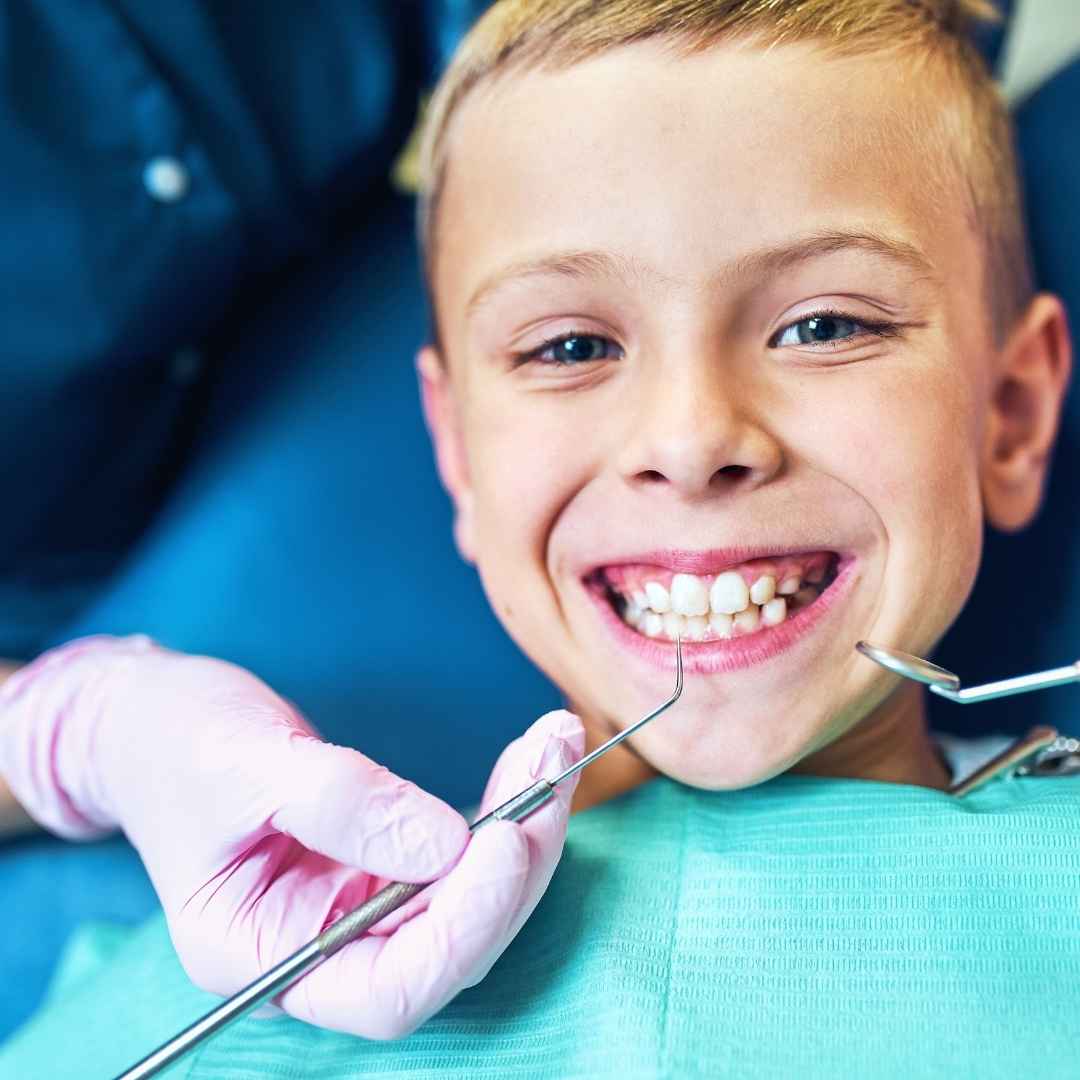
Your child should visit the dentist by their first birthday or when the first tooth appears, whichever comes first. This initial appointment allows your dentist to monitor tooth development, check for any abnormalities, and give you personalized guidance on caring for your child’s emerging teeth.
Primary (Baby) Teeth: More Important Than You Might Think
Many parents wonder if primary teeth really matter since they’ll eventually fall out. The truth is that baby teeth serve critical functions: they help your child chew food properly, aid in speech development, and hold space for permanent teeth to erupt correctly. Neglecting primary teeth can lead to complications when permanent teeth come in.
Daily Dental Hygiene Habits for Children
Brushing Technique and Frequency
Children should brush their teeth twice daily—once in the morning and once before bed. Here’s how to guide your child through the process:
- Ages 0–3 months: Begin with a damp cloth to wipe gums after feeding.
- Ages 6 months–2 years: Use a soft, baby-sized toothbrush with just a smear of fluoride toothpaste (the size of a grain of rice).
- Ages 2–6 years: Use a pea-sized amount of fluoride toothpaste. Help your child brush, and ensure they don’t swallow the paste.
- Ages 6 and older: Children can begin brushing more independently, though supervision is still recommended. Teach them to brush all surfaces—front, back, and chewing surfaces—for at least two minutes.
Flossing and Interdental Cleaning
Once your child has two teeth touching each other, it’s time to introduce flossing. You can use traditional floss or child-friendly floss picks. Daily flossing removes food and plaque from between teeth, where a toothbrush cannot reach. This habit prevents decay in tight spaces and promotes healthy gums from an early age.
Nutrition and Diet: Foods That Support Dental Health
What to Encourage
A healthy diet directly impacts your child’s dental health. Foods rich in calcium and phosphorus—such as milk, yogurt, cheese, and leafy greens—strengthen tooth enamel. Crunchy fruits and vegetables like apples, carrots, and celery naturally clean teeth as your child chews them. Drinking water throughout the day, especially after meals, helps rinse away food particles and acids.
Foods and Drinks to Limit
Sugary snacks, sodas, fruit juices, and sticky foods are major culprits in tooth decay. When your child consumes sugary foods, bacteria in the mouth produce acid, which attacks the tooth surface. If your child does have a sugary treat, encourage them to drink water afterward and brush their teeth within 30 minutes to an hour.
Fluoride: A Key Tool in Preventing Decay
Fluoride is a mineral that strengthens tooth enamel and makes teeth more resistant to decay. Most toothpastes for children contain fluoride, and many public water supplies are fluoridated. Your dentist may recommend additional fluoride treatments, especially if your child is at higher risk for cavities. These professional applications are safe and effective when applied by a trained dental professional during regular check-ups.
Common Pediatric Dental Issues and Prevention
Tooth Decay (Cavities)
Cavities are the most common chronic disease in children. They develop when plaque bacteria produce acid that erodes tooth enamel. Prevention through proper brushing, flossing, limiting sugary foods, and regular dental visits is far easier than treating cavities. If decay is detected early, your dentist can treat it with minimal discomfort and preserve the tooth.
Thumb Sucking and Pacifier Use
Thumb sucking is a natural reflex in infants, but prolonged habits (beyond age 4) can affect tooth alignment and jaw development. Similarly, pacifier use should be limited after age 2–3. If your child has a persistent habit, discuss it with your dentist, who can offer strategies to help your child transition away from it.
Orthodontic Concerns
Not all children need braces, but early evaluation can identify potential alignment issues. Orthodontic treatment timelines vary depending on the complexity of the case, and early intervention can sometimes prevent more extensive treatment later. Your dentist may recommend an orthodontic consultation around age 7, when the first permanent molars have erupted.
Regular Dental Visits: Prevention and Early Detection
Schedule your child’s dental check-ups every six months, or more frequently if your dentist recommends it based on your child’s individual risk factors. During these visits, your dentist will:
- Clean your child’s teeth to remove plaque and tartar buildup
- Check for cavities, gum disease, and other dental problems
- Apply protective sealants to the chewing surfaces of molars if appropriate
- Assess jaw and tooth development
- Provide guidance on improving oral hygiene at home
Regular visits help catch problems early, when they’re easier and less costly to treat. They also help your child become comfortable in a dental setting, reducing anxiety about dental care as they grow.
Creating Positive Dental Attitudes
Your attitude toward dental care influences your child’s perspective. Use positive language, avoid phrases like “it won’t hurt,” and explain dental procedures in child-friendly terms. Let your child watch you brush and floss to model good habits. Praise their efforts and make oral hygiene routines fun rather than a chore.
Many children respond well to a consistent routine. Brushing teeth at the same times each day, combined with a reward system (not food-based), can reinforce healthy habits.
Special Considerations for Children in Alanya
If you’re raising children in Alanya or the surrounding Antalya region, remember that warm weather and outdoor activities mean snacking and sugary drinks may be more frequent. Be mindful of ice cream, sugary summer drinks, and frequent snacking. The humid climate can also affect oral health, so maintaining a consistent brushing and flossing routine is particularly important.
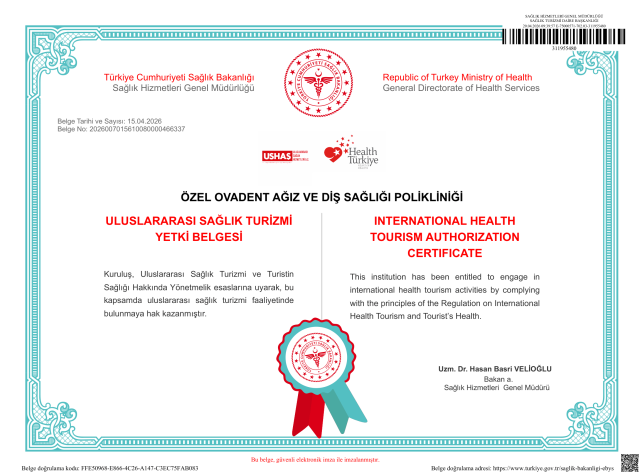
At Ova Dent Dental Clinic, we have experience working with children of all ages and backgrounds. Our multilingual team can communicate with your child in their preferred language, making dental visits less intimidating. We understand the needs of families in Alanya and provide comprehensive pediatric dental care in a comfortable, child-friendly environment.
When to Seek Emergency Dental Care
Some situations require prompt dental attention. Contact your dentist immediately if your child experiences severe tooth pain, a knocked-out tooth, a cracked or chipped tooth, or signs of infection such as swelling or fever. Ova Dent offers emergency dental care contact through +90 536 493 80 20 or WhatsApp for urgent situations.
Conclusion: Building a Lifetime of Healthy Smiles
Dental care for children is an investment in their long-term health and confidence. By establishing good oral hygiene habits early, providing a balanced diet, limiting sugary foods, and scheduling regular dental visits, you give your child the foundation for a healthy smile that lasts a lifetime.
If you have questions about your child’s dental development or need professional guidance, the experienced team at Ova Dent is here to help. Visit us in Alanya, or explore our services on Instagram and Facebook. You can also reach us at info@ovadent.com or find us on Google Maps for location details. We’re open Monday–Saturday, 9:00 AM–9:00 PM, and our multilingual team is ready to support your family’s oral health journey.