Understanding Salivary Glands and Their Importance to Oral Health
Your mouth is home to a sophisticated system that works silently to protect your teeth and gums every single day. At the heart of this system are your salivary glands, small but powerful organs that produce saliva—a fluid many people take for granted. However, understanding the relationship between salivary glands and oral health is essential for maintaining a healthy smile throughout your life.
Saliva does far more than simply keep your mouth moist. It serves as a natural defense mechanism, protecting your teeth from decay, helping you digest food, and creating an environment where your mouth can heal itself. When salivary glands function properly, they contribute significantly to your overall oral and dental health. In this guide, we’ll explore how these glands work, why they matter, and how to keep them healthy.
What Are Salivary Glands and How Do They Work?
The Three Main Salivary Glands
Your mouth contains three pairs of major salivary glands, each playing a specific role in maintaining oral health:
- Parotid glands: Located in front of your ears, these are the largest salivary glands and produce about 25% of your saliva.
- Submandibular glands: Situated beneath your lower jaw, these glands produce approximately 70% of your saliva and are particularly important for oral protection.
- Sublingual glands: Found under your tongue, these smaller glands contribute the remaining 5% of saliva production.
In addition to these major glands, you have hundreds of tiny minor salivary glands scattered throughout your mouth, throat, and lips that provide supplementary saliva production.
How Saliva Production Works
Salivary glands respond to various triggers, including tasting food, chewing, stress, and even thinking about eating. When you chew or taste something, nerve signals prompt your glands to release saliva into your mouth through small ducts. This process happens naturally and continuously, with your body producing approximately 0.5 to 1.5 liters of saliva daily.
The Critical Role of Saliva in Oral Health
Protection Against Tooth Decay
One of saliva’s most important functions is protecting your teeth from decay. Saliva contains minerals like calcium and phosphate that help remineralize your tooth enamel, essentially repairing early damage caused by acid attacks. Additionally, saliva buffers acids produced by bacteria in your mouth, preventing them from eroding your teeth. This natural defense system is why people with reduced saliva production face significantly higher risks of cavities and gum disease.
Fighting Oral Bacteria and Infections
Saliva contains natural antibodies and proteins, including lysozyme and immunoglobulin A, that actively fight harmful bacteria. These components help prevent infections, reduce inflammation, and maintain a healthy balance of microorganisms in your mouth. When salivary gland function is compromised, your mouth becomes more vulnerable to bacterial overgrowth and infections.
Facilitating Digestion and Comfort
Beyond protection, saliva helps break down food particles through enzymes like amylase, beginning the digestive process in your mouth. It also lubricates food, making it easier to chew and swallow. Adequate saliva production ensures comfort while eating and speaking, contributing to your overall quality of life.
Common Salivary Gland Problems and Their Effects on Oral Health
Dry Mouth (Xerostomia)
Dry mouth occurs when salivary glands don’t produce enough saliva. This condition can result from medications, autoimmune diseases like Sjögren’s syndrome, radiation therapy, or aging. Without sufficient saliva, your teeth become more prone to decay, your gums may become inflamed, and oral infections become more common. If you experience persistent dry mouth, consulting your dentist is important for developing a management plan.
Salivary Gland Inflammation (Sialadenitis)
Inflammation of the salivary glands can occur due to infection, blockage, or autoimmune conditions. This causes pain, swelling, and reduced saliva flow. Proper diagnosis through dental or medical examination is necessary to determine the cause and appropriate treatment.
Salivary Gland Stones
Sometimes mineral deposits form within the ducts of salivary glands, creating blockages that prevent saliva from flowing properly. These stones can cause pain and swelling and may require professional intervention to resolve.
Preventive Care for Healthy Salivary Glands
Stay Hydrated
Drinking plenty of water throughout the day supports your body’s ability to produce adequate saliva. Proper hydration is a simple yet effective way to maintain healthy salivary gland function.
Maintain Good Oral Hygiene
Regular brushing and flossing reduce the bacterial load in your mouth, allowing your salivary glands to work more efficiently. Building proper brushing habits from childhood ensures lifelong oral health benefits.
Limit Mouth-Drying Substances
Reduce your intake of alcohol, caffeine, and tobacco products, as these can decrease saliva production. Being mindful of medications that may cause dry mouth is also important—consult your healthcare provider if you suspect a medication is affecting your saliva flow.
Chew Sugar-Free Gum or Lozenges
Stimulating your salivary glands by chewing sugar-free gum can help increase saliva production. This is particularly helpful during the day when you want to maintain oral protection.
Regular Dental Checkups
Visiting your dentist regularly allows professionals to monitor your salivary gland health and oral condition. Regular dental checkups help identify problems early before they become serious. At Ova Dent in Alanya, our experienced dental team evaluates your complete oral health profile during every visit, including assessing your saliva production and gland function.
Professional Dental Care for Salivary Gland Issues
If you’re experiencing problems related to your salivary glands or suspect reduced saliva production, professional evaluation is important. Your dentist can:
- Assess your current saliva flow and quality
- Identify underlying causes of salivary gland dysfunction
- Recommend appropriate management strategies
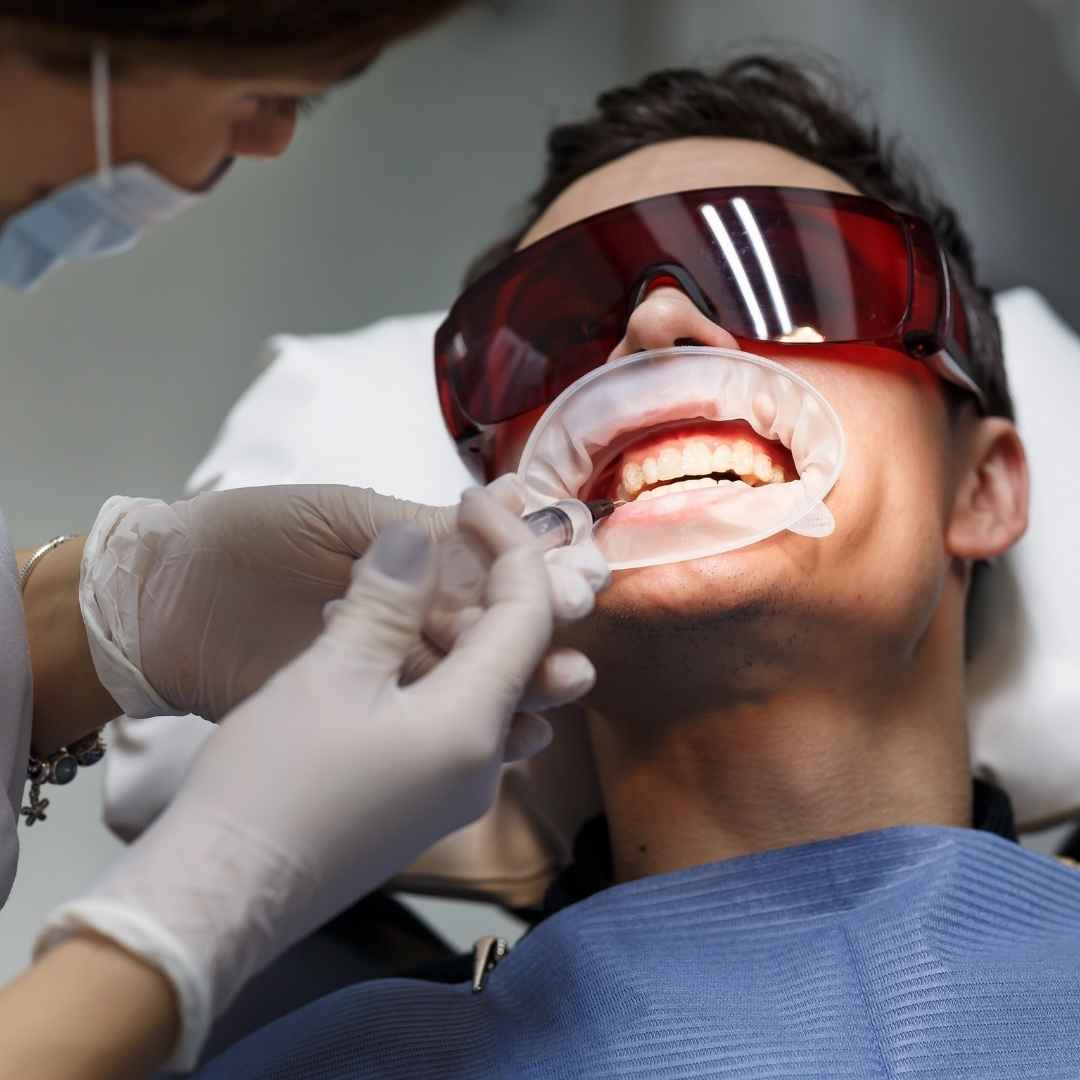
- Apply protective treatments like fluoride application if needed to strengthen your teeth against decay
- Develop a personalized prevention plan tailored to your specific needs
The team at Ova Dent dental clinic in Alanya understands that each patient’s oral health situation is unique. Our dentists, including Dt. Emrah AVA and Dt. Hakan KAÇMAZ, provide comprehensive examinations and evidence-based recommendations to help you maintain optimal oral health. We serve patients from the local Alanya community and multilingual visitors, offering care in English, German, Russian, Turkish, and Norwegian.
Conclusion: Protecting Your Smile Through Salivary Gland Health
Your salivary glands are unsung heroes of your oral health system, working continuously to protect your teeth, fight infections, and maintain the comfort of your mouth. By understanding their importance and taking steps to support their function, you’re investing in a healthier, stronger smile.
Whether through proper hydration, good oral hygiene, limiting mouth-drying substances, or regular professional care, there are many ways to support your salivary gland health. If you have concerns about dry mouth, salivary gland swelling, or any other oral health issues, don’t hesitate to reach out to a dental professional for evaluation and guidance.
For residents and visitors in Alanya seeking comprehensive dental care, Ova Dent is conveniently located and ready to help you maintain your oral health. You can also follow our work and updates on Instagram or contact us at +90 536 493 80 20 for any questions about your dental health. Your smile deserves the best care, and understanding the role of salivary glands is an important first step.