Understanding the Teething Stage: An Introduction
The teething stage is one of the most significant milestones in a child’s development. During this period, your baby’s primary teeth begin to emerge through the gums, and while this is a natural and healthy process, it can bring discomfort to both the child and parents. Recognizing the signs of the teething stage early helps you respond appropriately and ease your baby’s discomfort during this transition.
Understanding what to expect during teething allows you to distinguish between normal developmental symptoms and potential health concerns. At Ova Dent Dental Clinic in Alanya, our experienced dental team works with families to ensure children get off to a healthy start with their oral care journey.
Common Physical Signs of Teething
Swollen and Tender Gums
One of the earliest and most noticeable signs of the teething stage is swollen, tender gums. You may notice that your baby’s gums appear puffy or slightly red where teeth are about to emerge. The gums may feel firm to the touch, and your baby might experience sensitivity or mild soreness in this area. This swelling is a natural response as the tooth pushes through the gum tissue.
Excessive Drooling
During the teething stage, babies often produce more saliva than usual. You might notice your baby drooling significantly more, which can sometimes lead to mild skin irritation around the mouth and chin. While this can be messy, it’s completely normal. Using a soft cloth to gently wipe away excess drool and keeping the area dry helps prevent skin irritation.
Chewing and Biting Behavior
Babies experiencing signs of the teething stage frequently chew on their fingers, toys, or other objects. This behavior provides relief from the pressure and discomfort in their gums. You may notice your baby putting their fingers or objects into their mouth more frequently than before, or biting down harder on anything they can grasp. This is your baby’s natural way of managing the pressure during tooth eruption.
Behavioral Signs and Mood Changes
Increased Irritability and Fussiness
Teething discomfort can make babies unusually fussy or irritable. Your normally cheerful baby might become more upset, cry more frequently, or seem uncomfortable even when their basic needs are met. This change in temperament is a direct result of the pressure and slight pain associated with emerging teeth.
Sleep Disturbances
Many parents notice that their baby’s sleep patterns change during the teething stage. Your baby might have difficulty falling asleep, wake frequently during the night, or take shorter naps than usual. The discomfort in their gums can make it hard for them to settle into a restful sleep.
Loss of Appetite
Some babies show reduced interest in eating or drinking during active teething. If your baby is breastfeeding or taking formula, you might notice they are less enthusiastic about feeding sessions. This happens because sucking can intensify gum pressure and discomfort. However, it’s important to ensure your baby stays adequately nourished during this phase.
Signs You May Mistake for Teething
While many symptoms are associated with the teething stage, it’s important to understand that some signs may indicate other health concerns. A high fever, persistent diarrhea, or rashes that spread beyond the chin area are not typical signs of teething and warrant consultation with a healthcare provider. Teething itself does not cause serious illness; if your baby shows signs of fever or severe symptoms, always consult your pediatrician to rule out other conditions.
Managing Teething Discomfort at Home
Gum Massage and Relief Techniques
Gently rubbing your baby’s gums with a clean, soft cloth or your fingertip can provide comfort. The pressure from massage helps counteract the discomfort from emerging teeth. You can also offer teething rings or toys designed specifically for this purpose—refrigerated (but not frozen) options can provide additional relief through cold numbing.
Safe Teething Products
Silicone teething rings, wooden teething toys, and specially designed teething mittens are safe options for managing the teething stage. Avoid products containing harmful chemicals, and always inspect toys for safety and cleanliness. Hard plastic or objects small enough to be choking hazards should be avoided entirely.
Maintaining Oral Hygiene
Even as primary teeth are erupting, maintaining oral hygiene is essential. Gently cleaning your baby’s gums with a soft, damp cloth after feeding helps remove food particles and bacteria. Once the first tooth appears, begin using a soft-bristled infant toothbrush and a tiny smear of fluoride toothpaste. Healthy gum care from the start sets the foundation for lifelong oral health.
When to Consult a Dentist During Teething
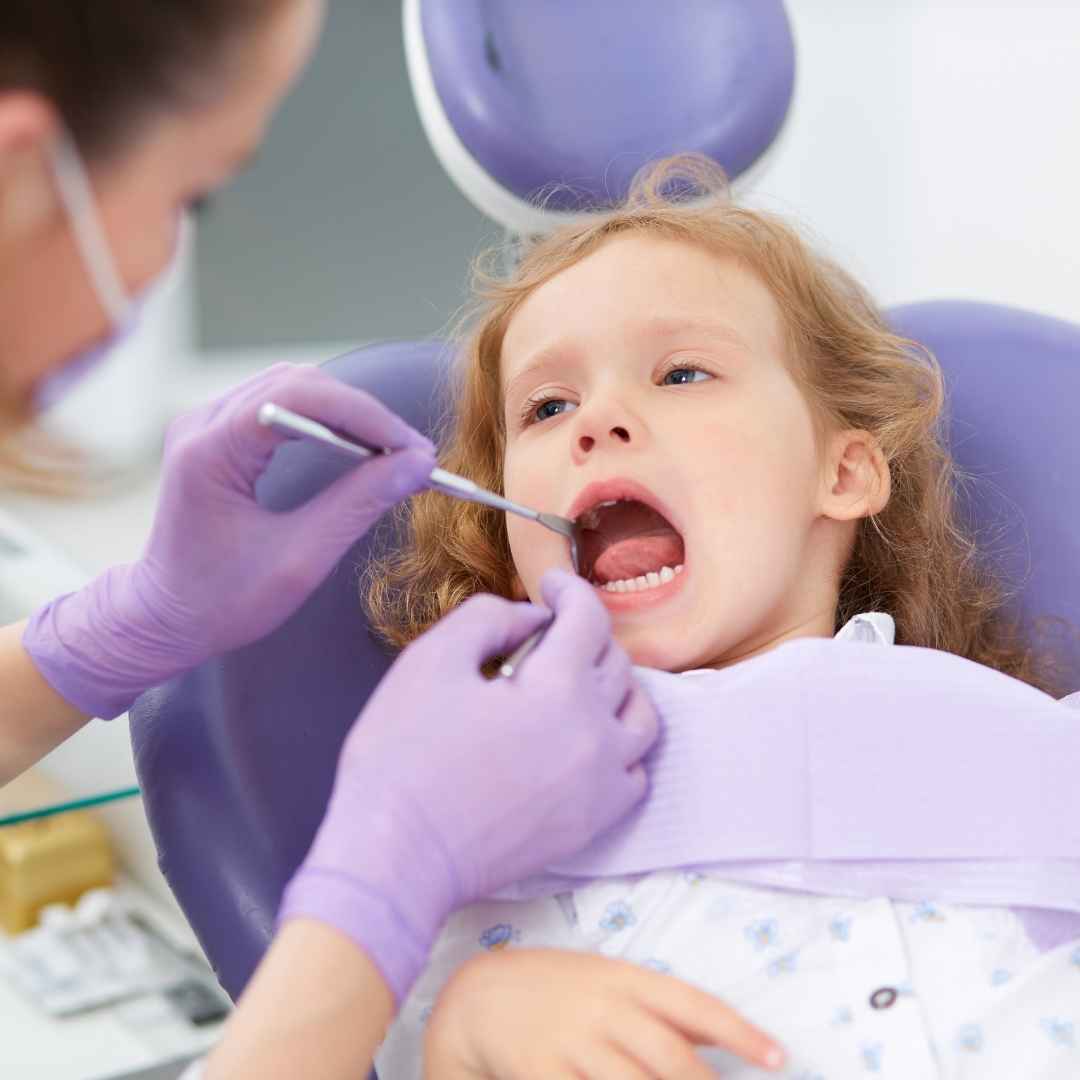
While the teething stage is a normal developmental process, certain situations warrant professional guidance. If your baby shows signs of infection, severe swelling, or if teeth appear to be coming in at an unusual angle, a dental consultation is advisable. At Ova Dent Dental Clinic in Alanya, our dentists including Dt. Emrah AVA and Dt. Hakan KAÇMAZ have experience working with young patients and families to address any concerns during this stage.
Your baby’s first dental visit is often recommended around their first birthday or when the first tooth emerges. This early introduction to dental care helps establish positive associations with oral health and allows our dental team to monitor the teething stage and ensure everything is progressing normally.
Preparing for Primary Teeth Emergence
Understanding the signs of the teething stage helps you prepare emotionally and practically for this developmental milestone. Patience, comfort measures, and maintaining good oral hygiene during this phase contribute to your child’s positive oral health future. Remember that while teething can be challenging, it typically lasts only a few years before primary teeth are fully erupted and your child transitions to permanent teeth.
If you have questions about your child’s teething progress or want to schedule their first dental visit, feel free to reach out to us. You can contact Ova Dent at +90 536 493 80 20 or info@ovadent.com, and we’re available via WhatsApp as well. Our multilingual team speaks English, German, Russian, Turkish, and Norwegian to serve our diverse Alanya community. You can also find us on Instagram to see our patient care approach or visit us in person at our clinic location.
Conclusion
The teething stage is a natural part of childhood development, and recognizing its signs helps you support your baby through this period with confidence. From swollen gums and increased drooling to behavioral changes like irritability and sleep disturbances, each sign indicates your child’s teeth are developing as they should. By managing discomfort safely at home and maintaining excellent oral hygiene, you’re laying the groundwork for a lifetime of healthy smiles. When in doubt, don’t hesitate to consult with a dental professional who can provide personalized guidance based on your child’s individual needs.