Understanding Tooth Sensitivity: Why Hot and Cold Cause Pain
Tooth sensitivity is one of the most common dental complaints affecting millions of people worldwide. That sharp, sudden pain you feel when drinking hot coffee or cold ice cream isn’t just uncomfortable—it’s your tooth’s way of signaling that something needs attention. Understanding the causes of tooth sensitivity to hot and cold temperatures is the first step toward finding relief and protecting your long-term oral health.
If you experience regular sensitivity when consuming hot or cold foods and beverages, it’s important to understand what’s happening beneath the surface of your tooth. This discomfort can range from mild to severe, and addressing it early can prevent more serious dental problems down the line.
The Structure Behind Sensitivity: How Teeth Work
To understand why teeth become sensitive, let’s first look at tooth anatomy. Each tooth has several layers:
- Enamel – The hard, protective outer layer of your tooth
- Dentin – A softer layer beneath the enamel containing tiny tubules (microscopic channels)
- Pulp – The inner chamber containing nerves and blood vessels
- Cementum – A layer covering the root of your tooth below the gum line
When enamel wears away or gum tissue recedes, the dentin underneath becomes exposed. These dentin tubules connect directly to the nerve center of your tooth. When hot, cold, acidic, or sweet stimuli reach the dentin, they trigger the nerve, causing the sharp pain associated with sensitivity.
Main Causes of Tooth Sensitivity to Hot and Cold
Enamel Erosion
Worn enamel is one of the leading causes of tooth sensitivity. Enamel erosion can result from several factors:
- Consuming acidic foods and drinks (citrus fruits, carbonated beverages, wine, sports drinks)
- Frequent vomiting or acid reflux
- Aggressive brushing with a hard-bristled toothbrush
- Teeth grinding (bruxism)
Once enamel is worn away, it cannot regenerate. This makes prevention through proper oral hygiene and dietary choices essential for maintaining healthy teeth.
Receding Gums
Gum recession exposes the root surface of your tooth, which lacks the protective enamel layer found on the crown. The exposed root is far more porous and sensitive to temperature changes. Learning how to keep gums healthy can help prevent recession and associated sensitivity. Common causes of gum recession include:
- Aggressive brushing or flossing
- Gum disease (periodontitis or gingivitis)
- Kötü ağız hijyeni
- Hormonal değişiklikler
- Tobacco use
Tooth Decay and Cavities
Cavities create openings in the tooth structure that expose the dentin layer. If you’re experiencing sensitivity around a specific tooth, it’s important to see a dentist for an examination, as this could indicate decay requiring treatment.
Diş eti hastalığı
Inflammation and infection of the gums can lead to bone loss and gum recession, both of which expose sensitive tooth surfaces. Maintaining good oral hygiene and regular professional cleanings help prevent gum disease and its complications.
Cracked or Chipped Teeth
A crack or chip in your tooth can allow bacteria and temperature changes to reach the dentin and pulp. If a crack is severe, your dentist may recommend extraction or restoration depending on the extent of damage.
Recent Dental Procedures
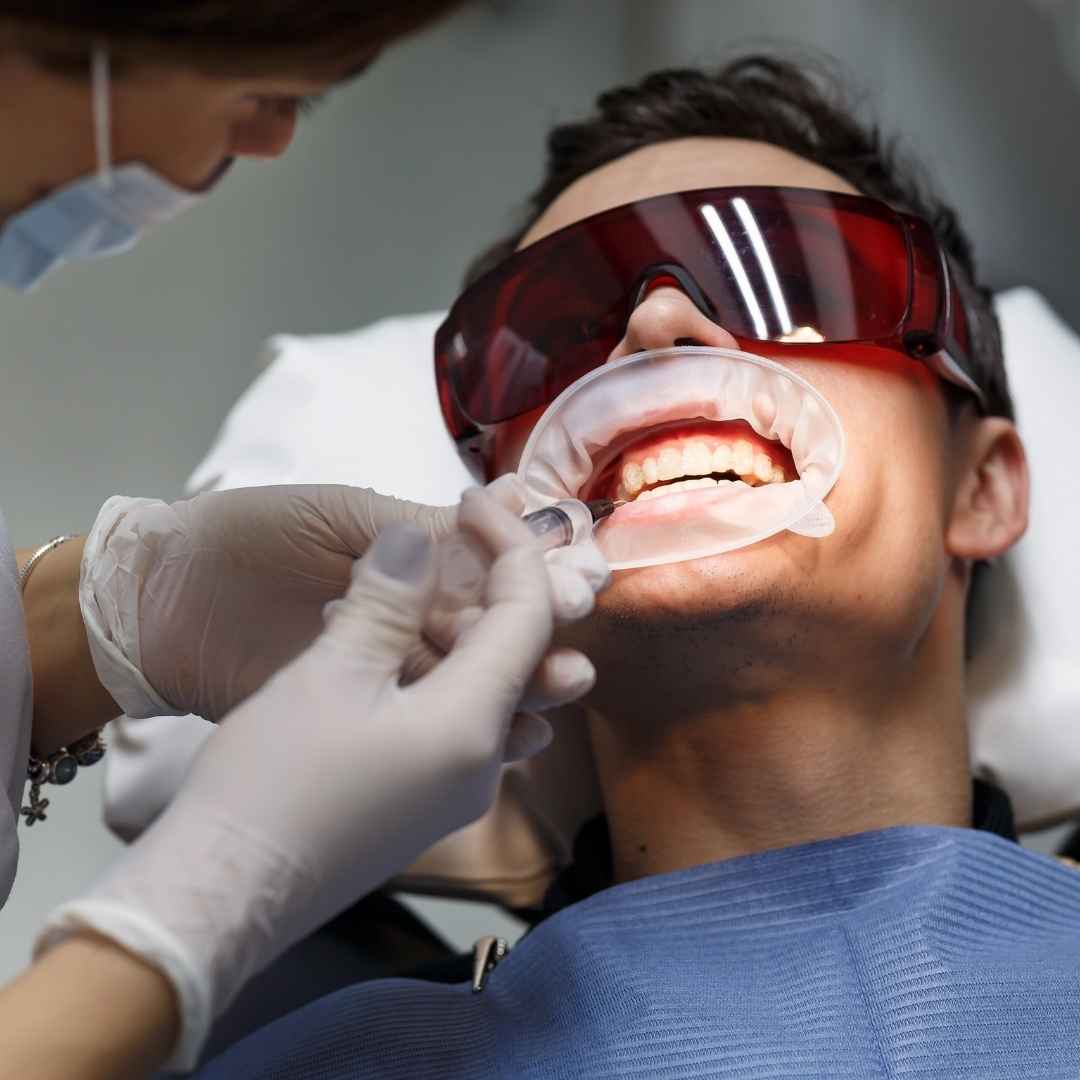
Teeth whitening, scaling (professional cleaning), crown placement, or root planing can sometimes cause temporary sensitivity. This usually subsides within a few weeks as the tooth adjusts.
Teeth Grinding (Bruxism)
Grinding your teeth, especially at night, wears down enamel and can cause sensitivity and discomfort. A dentist can recommend a protective night guard to prevent this damage and manage the condition.
Preventing Hot and Cold Tooth Sensitivity
Taking preventive steps now can reduce your risk of developing sensitivity or worsening existing sensitivity:
- Use a soft-bristled toothbrush and brush gently in circular motions
- Avoid acidic foods and drinks or use a straw to minimize contact with teeth
- Don’t clench or grind your teeth – ask your dentist about a night guard if needed
- Treat gum disease early through proper oral hygiene and professional care
- Rinse your mouth with water after consuming acidic substances
- Limit whitening products or discuss sensitivity-reducing options with your dentist
- Maintain regular dental visits for early detection and professional cleaning
Treatment Options for Tooth Sensitivity
If you’re already experiencing sensitivity, several treatment approaches can provide relief:
- Sensitivity-reducing toothpaste – Contains compounds that block sensation from reaching the nerve
- Fluoride gel or rinse – Strengthens enamel and reduces dentin sensitivity
- Gum graft – For severe gum recession, a graft can cover exposed root surfaces
- Root canal – Reserved for severe, persistent sensitivity that doesn’t respond to other treatments
- Professional desensitizing treatments – Dentists can apply specialized products directly to sensitive areas
When to See a Dentist About Tooth Sensitivity
While occasional sensitivity is common, persistent or worsening sensitivity warrants a professional evaluation. Schedule an appointment with your dentist if you experience:
- Sensitivity lasting more than a few weeks
- Pain in one specific tooth (could indicate decay or damage)
- Sensitivity that limits your diet or quality of life
- Sensitivity following a dental procedure that doesn’t improve within a few weeks
The experienced dental team at Ova Dent in Alanya is well-equipped to diagnose the underlying cause of your tooth sensitivity and recommend personalized treatment options. During your examination, your dentist will identify whether your sensitivity stems from enamel erosion, gum recession, decay, or another cause, and create a treatment plan tailored to your needs.
Conclusion: Taking Control of Your Tooth Sensitivity
Tooth sensitivity to hot and cold is treatable, and understanding its causes is essential for managing it effectively. Whether your sensitivity results from enamel erosion, gum recession, or another underlying issue, early intervention prevents complications and restores comfort to your daily life.
If you’re struggling with tooth sensitivity in Alanya, don’t hesitate to reach out for professional evaluation and care. Regular check-ups and good oral hygiene habits form the foundation of healthy, pain-free teeth. You can find our clinic location and contact details on Google Maps, or follow us on Instagram for dental care tips and clinic updates.
Your dentist is your partner in maintaining lifelong oral health. Don’t let tooth sensitivity control your choices—schedule a consultation today and discover the relief you deserve.