Understanding Dental X-Rays: A Complete Guide
Dental x-rays are an essential diagnostic tool in modern dentistry, allowing dentists to visualize areas of your teeth and gums that are not visible to the naked eye. At Ova Dent in Alanya, our experienced dental team uses advanced imaging technology to detect dental problems early and plan precise treatment approaches. Whether you’re a local resident or visiting our region, understanding how dental x-rays work can help you feel more confident during your dental visits.
X-ray imaging has been a cornerstone of dental practice for decades, and today’s technology is safer and more efficient than ever. These images provide crucial information that helps dentists identify decay, bone loss, infections, and other conditions that require attention. Let’s explore what dental x-rays are, why they matter, and how they contribute to your overall oral and dental health.
What Are Dental X-Rays?
Dental x-rays are radiographic images created by exposing teeth and surrounding tissues to a small amount of radiation. This radiation passes through the teeth and is captured on a digital sensor or film, creating a detailed picture of your dental structures. The contrast in these images allows dentists to identify differences in tooth density, spot cavities between teeth, and assess the health of your jawbone and gums.
Think of dental x-rays as a window into the parts of your mouth that your dentist cannot see or touch during a regular examination. They reveal hidden problems before they become serious, making them invaluable for preventive care and early intervention.
Types of Dental X-Rays
Different situations call for different types of dental imaging. Understanding these variations helps explain why your dentist might recommend specific x-rays during your visit:
Intraoral X-Rays
Intraoral x-rays are taken with the sensor or film placed inside your mouth. These are the most common type of dental x-rays and provide detailed images of individual teeth and surrounding bone. There are several subtypes:
- Periapical X-Rays: Capture the entire tooth from crown to root tip, useful for detecting problems at the root level.
- Bitewings: Show the crowns of upper and lower teeth together, excellent for detecting decay between teeth.
- Occlusal X-Rays: Display a larger area of the upper or lower jaw, helping to identify teeth that haven’t erupted or assess bone structure.
Extraoral X-Rays
Extraoral x-rays are taken from outside the mouth and show a broader view of your jaw and skull. These include panoramic x-rays (full-mouth view) and cone beam computed tomography (CBCT) scans, which are three-dimensional images used for complex cases such as dental implant placement or oral surgery planning.
Why Dentists Recommend X-Rays
X-rays serve multiple diagnostic purposes that support comprehensive dental care:
- Detecting Cavities: X-rays reveal decay between teeth and under existing fillings where visual examination cannot reach.
- Assessing Bone Health: They show bone loss related to gum disease or other conditions, helping dentists evaluate gum recession and bone support.
- Evaluating Tooth Development: Particularly important for younger patients, x-rays track the eruption and development of teeth.
- Planning Treatment: Before procedures like implant placement, orthodontics, or oral surgery, x-rays provide the roadmap for precise treatment planning.
- Identifying Infections: Abscesses and other infections appear clearly on x-rays, guiding the dentist toward appropriate treatment.
- Monitoring Existing Conditions: Regular x-rays help track the progression of dental disease and the success of previous treatments.
Are Dental X-Rays Safe?
One of the most common concerns patients have is about radiation exposure. The good news is that dental x-rays involve very minimal radiation exposure. Modern digital x-ray technology uses approximately 50 to 80 percent less radiation than traditional film x-rays, making them extremely safe when used appropriately.
Dentists follow strict safety guidelines and only recommend x-rays when clinically necessary. The benefit of early problem detection far outweighs the negligible radiation risk. Pregnant patients should inform their dentist, who can adjust the imaging plan while still providing essential preventive care. At Ova Dent, our team prioritizes patient safety and uses the latest low-radiation imaging technology during all examinations.
How Often Should You Have Dental X-Rays?
The frequency of dental x-rays depends on your individual risk factors and dental health status. Your dentist evaluates your specific situation through examination and professional judgment. Patients with a history of decay, gum disease, or those undergoing active treatment may need more frequent imaging, while patients with excellent oral health and low risk may require them less often.
New patients typically receive a full set of x-rays to establish a baseline of their dental health. This allows our dentists at Ova Dent to understand your oral health history and plan appropriate preventive and treatment strategies tailored to your needs.
The Digital Advantage
Digital dental x-rays offer several advantages over traditional film:
- Lower radiation exposure
- Instant image viewing on screen
- Enhanced ability to adjust image contrast and brightness for better diagnosis
- Easy storage and retrieval of patient records
- Ability to share images with specialists when needed
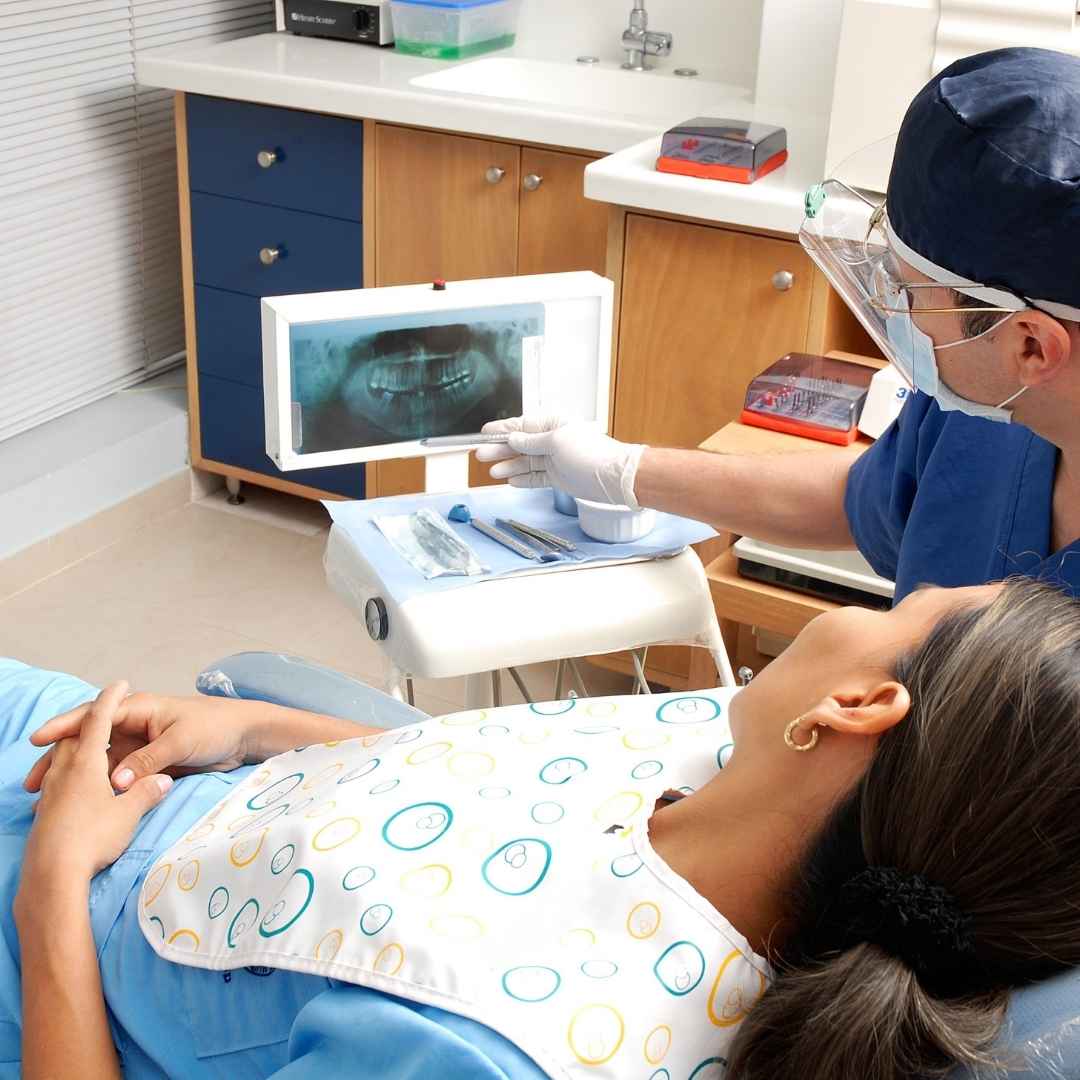
- Better patient education, as images can be explained on screen
At our Alanya dental clinic, we use modern digital imaging systems that support efficient diagnosis and patient communication. This technology enables our experienced dental team to provide accurate assessments and discuss findings with you clearly.
What to Expect During Dental X-Ray Imaging
X-ray appointments are quick and straightforward. For intraoral x-rays, the sensor or film holder is positioned in your mouth, and you’ll be asked to remain still for a few seconds while the image is captured. You may wear a lead apron for added protection, though the radiation dose is so minimal that this is primarily a precaution. The entire process takes just a few minutes, and you’ll receive immediate feedback from your dentist about what the images reveal.
X-Rays as Part of Comprehensive Preventive Care
Dental x-rays are a cornerstone of preventive dentistry and early detection. Combined with regular dental examinations and good home oral hygiene, they help maintain your long-term oral health. For detailed information on comprehensive preventive strategies, explore our guide to oral and dental health in Alanya.
Whether you need routine imaging, pre-treatment planning, or urgent diagnostic imaging for emergency care, our multilingual dental team at Ova Dent is equipped to provide thorough and safe x-ray services. We serve patients in English, German, Russian, Turkish, and Norwegian, ensuring clear communication about your imaging and treatment options.
Conclusion: Partnering in Your Dental Health
Dental x-rays are a vital tool that empowers both dentists and patients to make informed decisions about oral health. By detecting problems early, planning treatments precisely, and monitoring progress over time, x-rays contribute significantly to better long-term outcomes. Understanding their purpose and safety helps you approach dental visits with confidence.
If you have questions about dental x-rays or would like to schedule a comprehensive dental examination in Alanya, contact Ova Dent today. Our experienced dentists, including Dt. Emrah AVA and Dt. Hakan KAÇMAZ, are here to answer your questions and provide personalized dental care. Reach us at +90 536 493 80 20, via WhatsApp, or at info@ovadent.com. You can also visit our clinic at Saray Mah. Best Home Sitesi, Hoca Ahmet Yesevi Sk. No:29/B A blok, 07400 Alanya/Antalya. We’re open Monday–Saturday, 9:00 AM – 9:00 PM. Follow us on Instagram Ve Facebook to stay updated on dental health topics and clinic updates, or check our location on Google Maps.