Tooth decay is one of the most common dental health issues, yet many people don’t realize they have it until significant damage has occurred. Understanding the early signs of tooth decay can help you seek treatment sooner and prevent more serious complications. In this guide, we’ll walk you through the warning signs to watch for and why early detection matters for your oral health.
What Is Tooth Decay and How Does It Start?
Tooth decay occurs when acids produced by bacteria in your mouth attack the tooth’s enamel—the hard, protective outer layer. This process typically develops without pain in its early stages, which is why many people miss the warning signs. The decay begins as a small spot and gradually spreads deeper into the tooth structure if left untreated.
Understanding how decay develops helps you recognize why preventive care and regular dental examinations are so important. Professional preventive dentistry services can catch decay in its earliest stages, often before you notice any symptoms yourself.
Early Warning Signs of Tooth Decay
Tooth Sensitivity
One of the earliest indicators of decay is increased tooth sensitivity to hot, cold, or sweet foods and drinks. You might feel a sharp pain or discomfort when consuming coffee, ice cream, or sugary snacks. This sensitivity occurs because decay has compromised the protective enamel, exposing the softer dentin layer underneath.
White or Brown Spots on Teeth
Look closely at your teeth, especially along the gum line and between teeth. Discolored spots—appearing white, brown, or black—are often the first visible sign of decay. These spots may look like stains that don’t go away with normal brushing. White spots indicate demineralization, while brown or black spots suggest more advanced decay.
Mild Tooth Pain or Discomfort
If you experience occasional, mild pain when biting down or chewing, this could signal early decay. The pain may come and go or appear only when pressure is applied to a specific tooth. Many people dismiss this as temporary discomfort, but it’s worth having checked by a dentist.
Bad Breath That Won’t Go Away
Persistent bad breath, even after brushing and flossing, can indicate bacterial activity in decayed areas of your tooth. The bacteria responsible for decay produce odorous compounds that brushing alone cannot eliminate.
Sticky Feeling or Roughness on Tooth Surface
Run your tongue over your teeth. If you notice a sticky or rough patch on a tooth’s surface, decay may be developing there. This texture change occurs as the enamel loses its smooth integrity.
Visible Holes or Pits in Teeth
As decay progresses, small holes or pits may become visible on the tooth surface. This is a more advanced warning sign that requires prompt treatment to prevent the decay from reaching the inner pulp of the tooth.
Why Early Detection Matters
Catching tooth decay early is crucial because:
- Early-stage decay can often be treated with simple fillings, whereas advanced decay may require root canal therapy or extraction
- Treatment costs increase significantly as decay progresses deeper into the tooth
- Early intervention preserves more of your natural tooth structure
- You avoid pain and infection that accompanies advanced decay
- Prevention of complications such as abscesses or bone loss
What to Do If You Notice Early Decay Signs
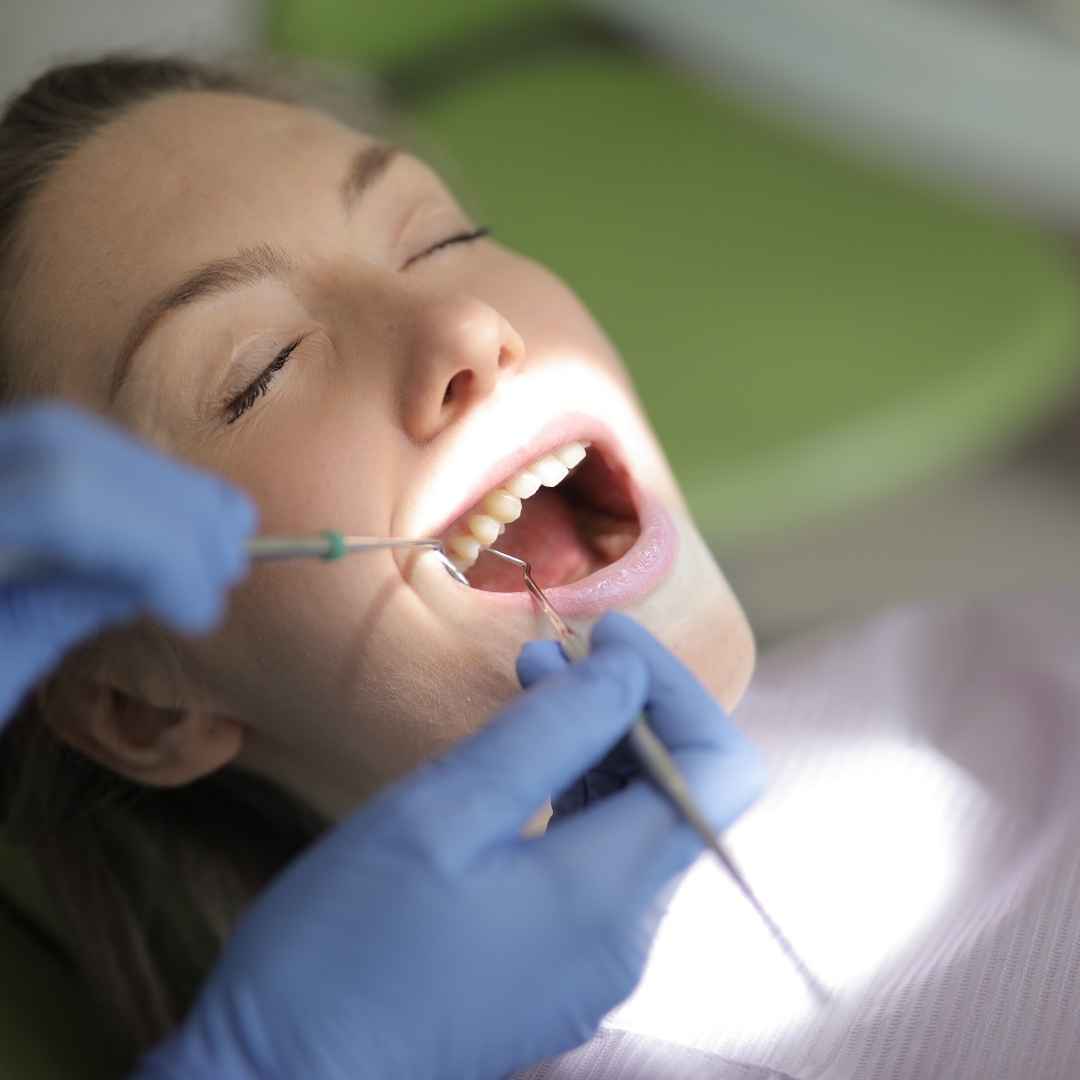
If you recognize any of these warning signs, schedule a dental examination as soon as possible. During an exam, your dentist uses visual inspection, X-rays, and other diagnostic tools to identify decay that may not be visible to the naked eye. Early treatment is typically straightforward and less invasive than treating advanced decay.
In the Alanya region, experienced dental professionals can evaluate your teeth and recommend appropriate treatment options. Whether the decay requires a simple restoration or more involved care, early intervention always produces better outcomes.
Prevention: Your Best Defense Against Tooth Decay
While knowing the signs of decay is important, prevention is always better than treatment. Here are evidence-based steps to reduce your risk:
- Brush twice daily with fluoride toothpaste for two minutes each time
- Her gün diş ipi kullanın to remove food and plaque from between teeth where your toothbrush cannot reach
- Limit sugary and acidic foods and drinks—bacteria feed on sugar, and acids weaken enamel
- Rinse your mouth with water after meals and snacks, especially if brushing isn’t possible
- Diş hekiminizi düzenli olarak ziyaret edin for professional cleanings and examinations—typically every six months for most people
- Ask about fluoride treatments or dental sealants if you’re at higher risk for decay
Professional preventive care, including dental scaling and fluoride applications, strengthens your enamel and removes buildup that contributes to decay.
Regular Check-ups: The Key to Early Detection
Even if you don’t notice any symptoms, regular dental visits are essential. Your dentist can detect decay in its earliest, most treatable stages—often months or even years before you would feel any discomfort. Many people visit their dentist only when they have pain, but by then the decay has usually advanced significantly.
Establishing a routine with your dental care provider means consistent monitoring and the best chance of catching problems early. If you’re in Alanya and looking for comprehensive preventive and restorative dental care, professional examination is your first step toward maintaining healthy teeth.
When to Seek Emergency Dental Care
While early decay isn’t typically an emergency, sudden severe tooth pain, facial swelling, or signs of infection require immediate attention. An abscess or advanced infection can spread and become a serious health issue. If you experience these symptoms, contact a dental professional urgently.
For more information about dental health and to schedule your preventive examination, you can reach out through our location on Google Maps or connect with us on Instagram to see our latest patient care updates.
Çözüm
Recognizing the early signs of tooth decay empowers you to take action before serious damage occurs. Tooth sensitivity, discolored spots, mild pain, and changes in tooth texture are all signals worth investigating. Combined with consistent home care and regular professional examinations, early detection is your strongest defense against decay and more complex dental problems.
Don’t wait for pain to develop. If you’ve noticed any of the warning signs discussed here, schedule a dental examination to protect your smile and your overall oral health.