How to Prevent Bad Breath: A Complete Guide
Bad breath, medically known as halitosis, is a common concern that affects many people at different stages of their lives. Whether it occurs occasionally after eating certain foods or persists as a chronic condition, understanding the causes and implementing preventive measures can significantly improve your oral health and confidence. This comprehensive guide explores practical strategies to maintain fresh breath and when to seek professional dental care.
Understanding the Root Causes of Bad Breath
Bad breath typically originates in the mouth and is caused by odor-producing bacteria. These bacteria thrive in an environment where oral hygiene is neglected, food particles accumulate, and moisture levels decrease. Understanding what triggers bad breath is the first step toward prevention.
Common causes include inadequate brushing and flossing, gum disease, dry mouth, food particles trapped between teeth, and bacterial buildup on the tongue. In some cases, bad breath may also be linked to underlying health conditions, nutritional deficiencies, or certain medications. A comprehensive dental examination can help identify the specific cause in your situation.
Daily Oral Hygiene Practices for Fresh Breath
The foundation of bad breath prevention lies in consistent daily oral care routines. Maintaining proper hygiene removes the bacteria and food debris that cause unpleasant odors.
Brush Your Teeth Twice Daily
Brushing your teeth at least twice a day—morning and evening—is essential for removing plaque and food particles. Use a soft-bristled toothbrush and fluoride toothpaste, and brush gently in circular motions for at least two minutes. Pay special attention to all surfaces: the outer side, inner side, and chewing surfaces of your teeth.
Floss Daily
Flossing removes food debris and plaque from between your teeth and below the gum line—areas that a toothbrush cannot reach. Daily flossing prevents bacterial growth in these hard-to-clean spaces, significantly reducing bad breath. Make it part of your evening routine before bed.
Clean Your Tongue
Your tongue harbors millions of bacteria that contribute to bad breath. Use a tongue scraper or the back of your toothbrush to gently clean your tongue from the back toward the front. This simple step removes a major source of odor-producing bacteria.
Rinse with Mouthwash
Antimicrobial or fluoride mouthwash can help reduce bacteria in your mouth and freshen your breath. Use it after brushing and flossing, but remember that mouthwash is a supplement to, not a replacement for, proper brushing and flossing.
Dietary Choices That Support Fresh Breath
What you eat directly affects your breath. Certain foods and beverages contribute to bad breath, while others promote oral health.
- Avoid odorous foods: Garlic, onions, and spicy foods contain compounds that are absorbed into the bloodstream and exhaled through your lungs, causing temporary bad breath.
- Limit sugary and acidic foods: Sugar feeds harmful bacteria in your mouth, while acidic foods erode tooth enamel and create an environment where bacteria thrive.
- Stay hydrated: Drinking plenty of water increases saliva production, which naturally cleanses your mouth and fights bacteria.
- Eat crunchy fruits and vegetables: Apples, carrots, and celery naturally clean your teeth and stimulate saliva flow.
- Choose water over sugary drinks: Coffee, energy drinks, and soda can dry out your mouth and promote bacterial growth.
Maintain Adequate Saliva Production
Saliva plays a crucial role in controlling bad breath by washing away bacteria and food particles. Dry mouth significantly increases the risk of halitosis.
To maintain healthy saliva levels, drink water regularly throughout the day, chew sugar-free gum to stimulate saliva flow, and avoid alcohol and tobacco products, which dry out your mouth. If you experience persistent dry mouth, discuss this with your dentist, as it may indicate an underlying condition or medication side effect that requires attention.
Professional Dental Care and Regular Cleanings
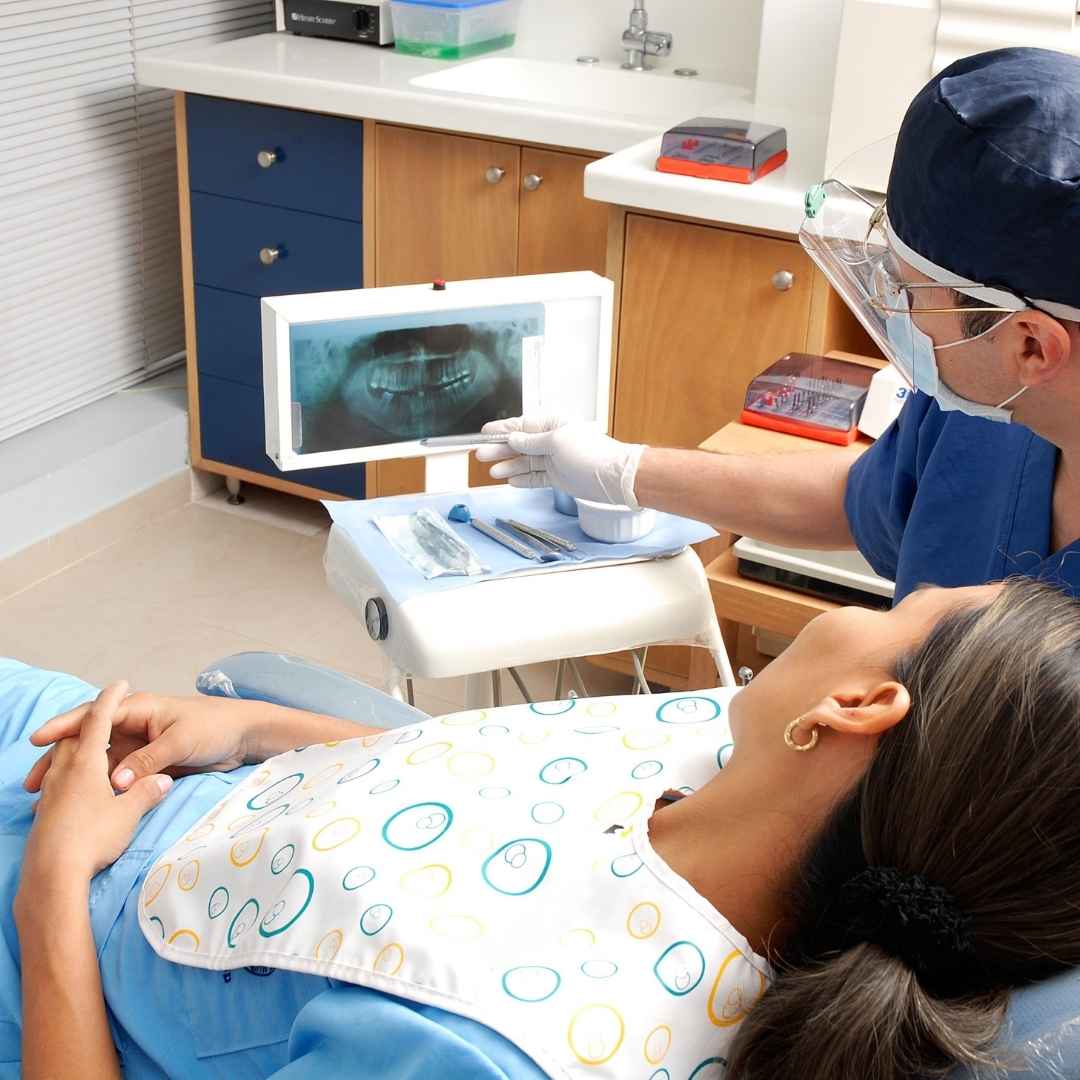
Professional dental care is fundamental to preventing bad breath. Regular dental cleanings remove tartar and plaque buildup that cannot be removed by brushing and flossing alone. Gum disease, one of the most common causes of persistent bad breath, requires professional evaluation and treatment.
Visiting your dentist every six months for a routine examination and cleaning helps catch early signs of gum disease, cavities, and other oral health issues. Your dentist can also identify whether bad breath stems from oral causes or if further medical evaluation is needed.
When to Seek Professional Help
While daily oral hygiene practices address most cases of bad breath, persistent or severe halitosis may indicate an underlying condition requiring professional attention. Consider scheduling a dental treatment consultation if you experience:
- Bad breath that persists despite improved oral hygiene
- Bleeding or swollen gums
- Loose teeth or changes in your bite
- Mouth sores or persistent oral discomfort
- Recent changes in taste or mouth dryness
The experienced dental team at our Alanya diş kliniği can conduct a thorough evaluation, identify the underlying cause of your bad breath, and recommend appropriate treatment. Whether your halitosis is related to gum disease, tooth decay, or another condition, professional care ensures you receive the right solution.
Lifestyle Factors That Influence Breath Freshness
Beyond oral hygiene and diet, several lifestyle choices affect the freshness of your breath.
Quit Smoking and Tobacco Use
Tobacco products are a major cause of bad breath and staining. Smoking damages your gums, increases the risk of gum disease, and leaves a persistent odor. Quitting tobacco dramatically improves oral health and breath freshness.
Limit Alcohol Consumption
Alcohol dries out your mouth and can leave a lingering odor. Reducing alcohol intake, especially before social interactions, helps maintain fresher breath.
Get Adequate Sleep
Sleep deprivation reduces saliva production and immune function, making your mouth more vulnerable to bacterial growth. Prioritizing seven to eight hours of quality sleep supports overall oral health.
Conclusion: Fresh Breath Starts with Prevention
Preventing bad breath requires a multifaceted approach combining daily oral hygiene, dietary awareness, adequate hydration, and professional dental care. By brushing and flossing consistently, cleaning your tongue, making mindful food choices, and visiting your dentist regularly, you can maintain fresh breath and excellent oral health.
If bad breath persists despite your best efforts, do not hesitate to consult a dental professional. The team at our clinic in Alanya provides comprehensive dental examinations and personalized treatment plans to address the root cause of halitosis. With our multilingual staff and patient-centered approach, we are here to help you achieve optimal oral and dental health.
Follow our Instagram page for more oral health tips and updates, or contact us at +90 536 493 80 20 to schedule your consultation today.