Why Dental Clinic Hygiene and Sterilization Matter
When you visit a dental clinic, you trust the dentist and their team with your oral health and overall well-being. One of the most critical aspects of that trust is understanding how the clinic maintains hygiene and sterilization standards. Proper infection control and sterilization procedures are fundamental to patient safety, preventing cross-contamination, and ensuring a clean treatment environment. At a modern dental clinic in Alanya, rigorous sterilization protocols are essential not only for compliance with health regulations but also for protecting every patient who walks through the door.
Dental procedures involve close contact, the use of instruments that come into contact with blood and saliva, and shared clinical spaces. Without strict hygiene and sterilization measures, patients could be exposed to serious infections and communicable diseases. This is why dental clinic hygiene standards are non-negotiable, and understanding these protocols can help you feel confident about your dental care.
Understanding Sterilization in Dental Practice
What Is Sterilization?
Sterilization is the process of eliminating all microorganisms, including bacteria, viruses, fungi, and spores, from instruments and surfaces. In dental practice, sterilization differs from disinfection—while disinfection reduces the number of harmful microorganisms, sterilization removes them completely. This distinction is crucial for dental instruments that come into direct contact with oral tissues and blood.
Common Sterilization Methods
Modern dental clinics use several established sterilization techniques:
- Autoclaving (Steam Sterilization): The most widely used method in dentistry. High-pressure steam at high temperatures destroys microorganisms and their spores. Instruments are placed in sealed packages and exposed to steam, making this method highly effective and reliable.
- Dry Heat Sterilization: Uses high temperatures in a dry environment, suitable for instruments that might be damaged by moisture.
- Chemical Sterilization: Liquid chemical agents are used for heat-sensitive instruments or items that cannot withstand high temperatures.
- Ultrasonic Cleaning: Before sterilization, instruments are cleaned using ultrasonic waves to remove organic debris, blood, and tissue, ensuring sterilization is effective.
Professional dental teams follow strict protocols to verify that sterilization has been successful, using biological and chemical indicators to confirm the effectiveness of each cycle.
Hand Hygiene and Personal Protective Equipment
Beyond instrument sterilization, dental professionals maintain strict personal hygiene standards. Hand hygiene is one of the most important infection control measures in any clinical setting. Dentists and hygienists wash their hands thoroughly before and after patient contact, and between different procedures.
Your dental team also uses appropriate personal protective equipment (PPE), including:
- Medical gloves (changed between each patient)
- Face masks and protective eyewear
- Protective gowns or aprons
- Head coverings when necessary
This multi-layered approach ensures that both the patient and dental professionals remain protected from potential cross-contamination.
Clinical Environment and Surface Disinfection
A clean treatment environment is as important as sterilized instruments. Dental clinics maintain high standards for clinical surface disinfection:
- Treatment surfaces are cleaned and disinfected between each patient appointment
- High-touch surfaces (door handles, light switches, chair controls) are regularly sanitized
- Dental chairs, trays, and equipment are wiped down with approved disinfectants
- Floors and walls are maintained according to health and safety standards
- Waiting areas and restrooms are regularly cleaned throughout the day
When you visit a modern dental clinic, you’ll notice that cleanliness is visible—from the orderly instrument trays to the fresh appearance of treatment rooms. This attention to detail reflects the clinic’s commitment to patient safety.
Water Line Safety and Dental Handpiece Management
Dental handpieces (drills, scalers, and polishers) require special attention. These instruments must be sterilized after each use, and the water lines that supply these handpieces are regularly flushed and maintained to prevent bacterial contamination. Modern dental clinics use:
- Regular flushing protocols to clear water lines
- Sterile water or saline systems in advanced clinics
- Careful maintenance schedules for all handpieces
- Quality testing of dental unit water to ensure safety
These measures prevent the accumulation of biofilm and ensure that the water used during your treatment is safe and clean.
Infection Control for Specific Procedures
Different dental procedures require tailored infection control measures. For example, gum surgery and oral surgical procedures demand enhanced sterilization and a fully sterile surgical environment, similar to hospital operating rooms. Emergency dental care and procedures involving bone or tissue removal follow even more stringent protocols to minimize infection risk.
Your dentist evaluates the specific infection control measures required for your treatment during your examination, ensuring that the appropriate standards are applied.
Waste Management and Sharps Safety
Dental clinics generate medical waste, including needles, contaminated materials, and extracted teeth. Proper waste management is a critical component of infection control:
- Sharps (needles, burs) are placed in puncture-resistant containers
- Contaminated materials are segregated and disposed of according to regulations
- Biohazard waste is handled by licensed waste management companies
- Proper labeling and documentation of all medical waste
This responsible waste management protects not only patients but also the dental team and the broader community.
Regulatory Compliance and Professional Standards
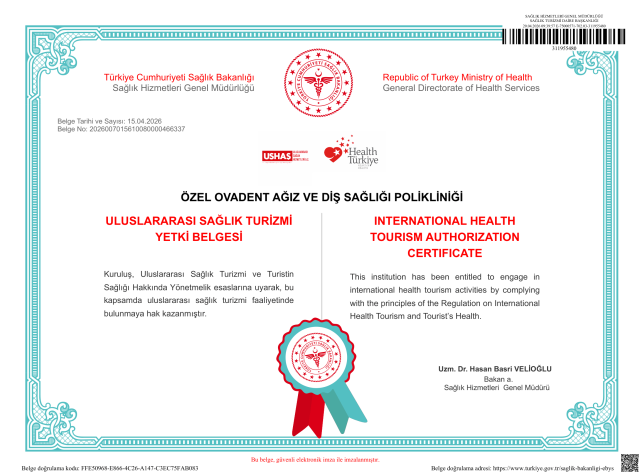
Dental clinics in Alanya and across Turkey must adhere to regulations set by health authorities. Professional organizations also establish guidelines for infection control and sterilization. Regular audits and inspections ensure that clinics maintain these standards consistently.
A reputable dental clinic invests in ongoing staff training and education about the latest infection control protocols. The dental team stays informed about updates in sterilization techniques and communicable disease prevention, ensuring that your treatment is delivered according to current best practices.
What Patients Can Expect
When you visit a dental clinic that prioritizes hygiene and sterilization, you’ll notice several signs of their commitment:
- Clean, orderly treatment rooms
- Staff wearing appropriate protective equipment
- Visible cleaning and disinfection between patient visits
- Clear communication about sterilization practices
- Transparency when you ask about infection control procedures
Don’t hesitate to ask your dentist about the clinic’s sterilization procedures. A professional dental team is always happy to explain how they maintain safety standards and protect patient health. You can explore more about professional dental practices by visiting our clinic’s website or contacting our team directly to discuss infection control protocols.
Confidence in Your Dental Care
Understanding dental clinic hygiene and sterilization practices gives you confidence that you’re receiving care in a safe, professionally managed environment. Modern dental clinics invest significantly in sterilization equipment, staff training, and quality assurance systems to ensure that every patient receives treatment in the safest possible conditions.
If you’re seeking dental care in Alanya and want to learn more about our sterilization protocols and infection control measures, feel free to connect with us. You can reach our team via Google Maps, check out our work on Instagram, or visit us on Facebook. We’re committed to delivering comprehensive dental care with the highest standards of hygiene and patient safety.