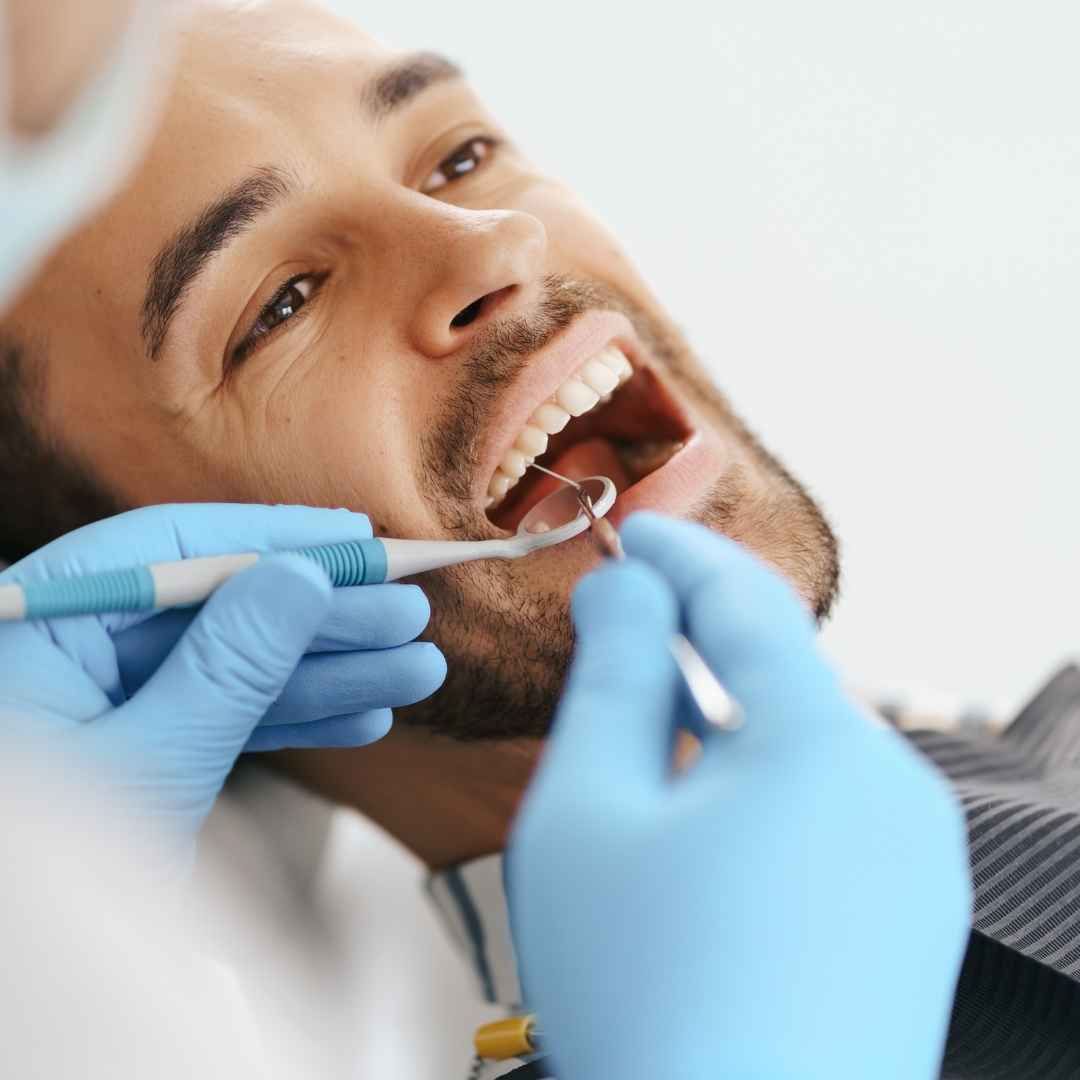
Dental floss is one of the most effective tools for maintaining oral hygiene, yet many people struggle with the correct technique or skip it altogether from their daily routine. Understanding how to use dental floss properly is essential for removing food particles and plaque from areas your toothbrush cannot reach. This comprehensive guide will walk you through the correct flossing method, common mistakes to avoid, and why this simple habit matters for your long-term dental health.
Why Dental Flossing Is Important
When you eat, food debris and bacteria accumulate between your teeth and below the gum line. Your toothbrush can clean the outer surfaces of your teeth, but it cannot effectively reach the tight spaces between teeth. Without regular flossing, plaque builds up in these areas, leading to potential tooth decay and gum disease.
Daily flossing removes plaque before it hardens into tartar, which can only be removed through professional dental cleaning and scaling. By incorporating flossing into your daily routine, you significantly reduce the risk of cavities, gum inflammation, and other oral health problems. Flossing also helps prevent bad breath and contributes to a healthier smile overall.
Step-by-Step Guide to Correct Flossing Technique
Step 1: Measure the Right Amount of Floss
Start by breaking off approximately 18 inches of dental floss from the dispenser. This length may seem generous, but it gives you enough clean floss to use for each tooth without reusing contaminated sections. Wrap most of the floss around the middle finger of one hand, leaving a small working section to guide between your teeth.
Step 2: Hold the Floss Correctly
Hold the short working section of floss gently between your thumb and index finger. Keep your hands steady and ensure the floss is taut but not overly tight. A relaxed grip with light tension is ideal—avoid pulling too hard, as this can damage your gums.
Step 3: Glide Floss Between Teeth
Gently guide the floss between two teeth using a side-to-side motion. Do not snap the floss down sharply, as this can injure your gums. Instead, use a smooth, controlled movement. Once the floss reaches the gum line, curve it around the side of one tooth in a C-shape.
Step 4: Clean Below the Gum Line
Move the floss up and down along the side of the tooth, going slightly below the gum line. You should feel a gentle resistance as the floss cleans the tooth surface. Repeat this motion 4–5 times on each side of every tooth, including the back surfaces of your molars.
Step 5: Repeat for All Teeth
As you move to the next tooth, move your fingers down the floss to use a clean section. Continue this process throughout your entire mouth, paying special attention to areas where teeth are tightly spaced. Do not forget the outer surfaces of your back molars and behind your last teeth.
Common Flossing Mistakes to Avoid
- Snapping floss between teeth: Snapping can cut or bruise gum tissue. Always use a gentle side-to-side motion.
- Reusing dirty floss sections: Always move to a fresh, clean section of floss for each tooth.
- Skipping the gum line: The area just below the gum line is where plaque accumulates most. Be sure to clean this zone.
- Flossing too infrequently: Once daily is the recommended minimum. Many dentists suggest flossing before brushing to loosen debris first.
- Applying too much pressure: Gentle, controlled motions work better than aggressive scrubbing. Pressure can damage delicate gum tissue.
- Neglecting back teeth: It’s easy to forget about molars, but they require the same careful flossing as front teeth.
Types of Dental Floss Available
If traditional string floss feels awkward, several alternatives can be just as effective:
- Waxed floss: Easier to slide between tight teeth; the wax coating makes it smoother.
- Unwaxed floss: Thinner than waxed floss; better for very tight spaces.
- Dental tape: Wider and flatter than string floss; comfortable for people with wider gaps between teeth.
- Interdental brushes: Small, brush-like tools ideal for cleaning larger gaps and around dental implants.
- Water flossers: Electric devices that use pressurized water to clean between teeth; a good option for people with braces or difficulty with manual dexterity.
- Floss picks: Pre-threaded plastic handles with floss; convenient for on-the-go cleaning.
The best type of floss is the one you will use consistently. If you find traditional floss uncomfortable, trying different options will help you establish a sustainable daily habit.
When to Floss in Your Daily Routine
Many dental professionals recommend flossing before brushing your teeth. This sequence loosens food particles and plaque, allowing your toothbrush to remove them more effectively. However, the most important factor is that you floss daily—whether morning or evening matters less than consistency.
For optimal oral health, follow this routine:
- Floss gently between all teeth
- Brush your teeth with fluoride toothpaste for two minutes
- Rinse thoroughly with water
Caring for Your Gums While Flossing
If you are new to flossing, your gums may feel tender or bleed slightly for the first week or two. This is normal and typically subsides as your gums become healthier and adjust to regular cleaning. However, if bleeding persists beyond two weeks or if you experience pain, consult your dentist to rule out gum disease.
Flossing with a gentle, consistent approach helps prevent gum recession and sensitivity. Always avoid aggressive techniques, as forceful flossing can damage gum tissue and expose tooth roots.
The Connection Between Flossing and Overall Dental Health
Regular flossing is a cornerstone of preventive dentistry. By removing plaque from areas your toothbrush misses, you reduce the risk of tooth decay and cavities. Flossing also helps prevent gum disease, which, if left untreated, can progress to serious conditions requiring more complex treatment.
Maintaining strong oral hygiene through proper brushing and flossing extends the life of your natural teeth and reduces the need for restorative procedures. If you have questions about your flossing technique or are concerned about your oral health, a dental professional can provide personalized guidance.
Making Flossing a Lasting Habit
Building a consistent flossing routine takes time and commitment. Here are practical tips to help you establish this important habit:
- Set a specific time each day to floss, such as before bed.
- Keep floss in a visible, convenient location—by your sink or nightstand.
- Start with just a few teeth if the full routine feels overwhelming, then gradually increase.
- Use floss picks or water flossers if traditional floss is difficult to manage.
- Pair flossing with another daily habit, like watching television or reading.
- Celebrate small victories to stay motivated.
Professional Guidance for Optimal Oral Care
While proper home care through brushing and flossing is essential, professional dental examinations are equally important. During a routine check-up, your dentist can assess your flossing technique, identify areas of concern, and provide personalized recommendations for your oral health.
Bei Ova Dent in Alanya, our experienced dental team is committed to helping patients develop strong oral hygiene habits. Whether you need guidance on flossing technique, professional cleaning, or treatment for existing dental issues, we provide comprehensive care in a comfortable, modern clinical environment. You can reach us at +90 536 493 80 20 or visit our clinic location to learn more about how we can support your dental health journey.
Follow us on Instagram Und Facebook for regular oral health tips and updates.
Abschluss
Knowing how to use dental floss correctly is a simple yet powerful way to protect your teeth and gums. By following the step-by-step technique outlined in this guide, avoiding common mistakes, and flossing consistently every day, you take an active role in your oral health. Remember that flossing complements—but does not replace—regular brushing and professional dental care. If you have difficulty flossing or notice any changes in your gum health, consult your dentist for evaluation and personalized advice. Your smile will thank you for the effort you invest in this small but crucial daily habit.