Understanding Wisdom Teeth: The Third Set of Molars
Wisdom teeth are the third and final set of molars that typically emerge during late adolescence or early adulthood, usually between the ages of 17 and 25. These teeth are named “wisdom teeth” because they appear at an age when a person is traditionally considered to be gaining wisdom. However, the reality of living with wisdom teeth is often far more complicated than the poetic name suggests.
In your mouth, you have four wisdom teeth—one in each corner: upper left, upper right, lower left, and lower right. While some people never develop wisdom teeth at all, others experience problems that require professional attention. If you’re experiencing discomfort or swelling around your back molars, a consultation with a qualified dentist is essential to determine the best course of action.
Why Do We Have Wisdom Teeth?
Evolutionary biologists believe that wisdom teeth were necessary for our ancestors, who had larger jaws and consumed tougher, raw foods that required more grinding power. As human diets evolved and cooking became common, we no longer needed these extra molars. Additionally, our jaws have become smaller over generations, which is why many people today don’t have enough space to accommodate these teeth properly.
Common Problems Associated with Wisdom Teeth
Impaction
One of the most frequent issues is impaction, which occurs when a wisdom tooth becomes trapped beneath the gum line or bone and cannot erupt properly. Impacted teeth can cause severe pain, swelling, and infection. Your dentist can assess whether impaction is occurring through examination and imaging.
Overcrowding
When wisdom teeth emerge, they can push against adjacent teeth, causing misalignment and crowding. This is particularly problematic if you’ve already invested in orthodontic treatment or braces. The pressure from erupting wisdom teeth can undo years of orthodontic work.
Difficulty with Cleaning
Wisdom teeth are located at the very back of the mouth, making them challenging to clean properly with a toothbrush and floss. This difficulty often leads to tooth decay and gum disease. Food particles and bacteria can accumulate around partially erupted wisdom teeth, creating pockets of infection.
Gum Disease and Infection
Partially erupted wisdom teeth create a space where bacteria thrive. This can result in painful infections, swelling, and inflammation of the surrounding gum tissue. In some cases, cysts or tumors can develop around impacted wisdom teeth.
When Should Wisdom Teeth Be Removed?
Not everyone needs their wisdom teeth removed. Some people have enough space, and their wisdom teeth erupt without causing problems. However, removal is typically recommended when:
- The tooth is impacted or cannot erupt fully
- There is chronic pain or swelling around the tooth
- The tooth is decayed and cannot be restored
- The tooth is causing crowding of other teeth
- Infection or cysts have developed around the tooth
- The tooth is damaging adjacent teeth or bone
Your dentist will evaluate your individual situation through examination and may take X-rays to determine whether extraction is necessary. It’s important to note that timing matters—younger patients often recover more quickly from extraction than older patients.
The Wisdom Tooth Extraction Process
Wisdom tooth extraction is a form of oral and maxillofacial surgery that should be performed by an experienced dental professional. The procedure begins with a thorough examination and discussion of your medical history. Local anesthesia is administered to ensure your comfort throughout the procedure.
Depending on whether the tooth has erupted or is impacted, the extraction technique may vary. Simple extractions are used for teeth that have fully erupted and are visible in the mouth, while surgical extractions are necessary for impacted teeth. The dentist may need to remove bone or section the tooth to facilitate removal.
After extraction, the socket is cleaned, and stitches may be placed if needed. Recovery typically takes a few days to a couple of weeks, depending on the complexity of the extraction and your body’s healing response. Following post-operative instructions carefully—including ice application, pain management, and activity restrictions—helps ensure proper healing.
Recovery and Aftercare
After wisdom tooth removal, you can expect some swelling, bruising, and mild to moderate discomfort. This is completely normal and part of the natural healing process. Pain management typically involves prescribed or over-the-counter medications as recommended by your dentist.
During the first few days:
- Apply ice packs to reduce swelling
- Avoid strenuous activity and exercise
- Eat soft, cool foods like yogurt and ice cream
- Stay hydrated and maintain good oral hygiene
- Avoid smoking and alcohol consumption
- Sleep with your head elevated
Most patients can return to normal activities within a week, though complete healing of the bone beneath the extraction site takes several months.
Preventive Considerations for Wisdom Tooth Health
If your wisdom teeth have erupted successfully and are not causing problems, maintaining them requires the same diligent care as your other teeth. Regular brushing, flossing, and professional cleanings are essential. Because wisdom teeth are difficult to reach, you may want to use a soft-bristled toothbrush and specialized floss or a water flosser to clean these areas effectively.
Regular dental check-ups allow your dentist to monitor your wisdom teeth and identify problems early, before they become serious. Preventive care is always preferable to emergency extractions.
Consulting with an Experienced Dental Team
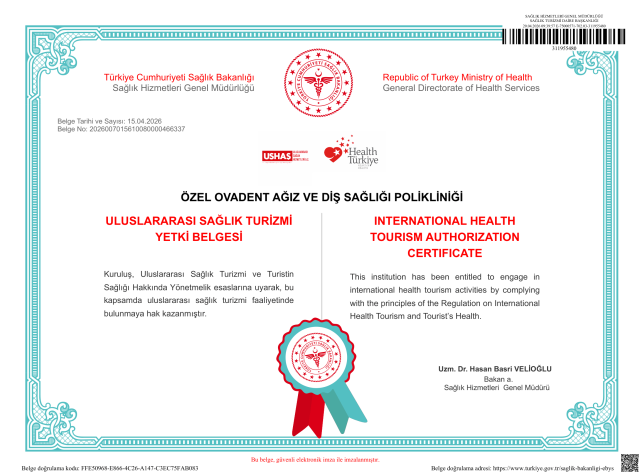
If you’re experiencing pain, swelling, or other symptoms related to wisdom teeth in the Alanya area, it’s important to seek professional evaluation. The experienced dental team at Ova Dent specializes in comprehensive oral and maxillofacial surgery, including wisdom tooth extraction. With multilingual support in English, German, Russian, Turkish, and Norwegian, the clinic ensures clear communication throughout your treatment journey.
Whether you need preventive guidance, examination, or extraction, scheduling a consultation allows your dentist to assess your specific situation and recommend the most appropriate course of action for your oral health.
Abschluss
Wisdom teeth don’t always need to be removed, but they often require professional attention when they erupt improperly or cause discomfort. Understanding what wisdom teeth are, recognizing potential problems, and seeking timely professional evaluation can help you avoid complications and maintain optimal oral health. If you’re concerned about your wisdom teeth, don’t wait for pain to intensify—contact a qualified dental professional for a comprehensive evaluation and personalized treatment plan. You can also explore more information about our clinic on our Instagram oder visit us in Alanya to discuss your dental needs with our experienced team.