Losing a tooth can feel like an isolated problem, but the consequences extend far beyond the visible gap in your smile. When a tooth is lost, a complex biological process begins beneath the surface—one that affects the jawbone itself. Understanding tooth loss and jawbone resorption is essential for anyone considering treatment options and wanting to preserve their oral health for years to come.
What Happens to Your Jawbone After Tooth Loss?
The relationship between your teeth and jawbone is deeply interconnected. Your teeth are anchored in the jawbone through the tooth root, which stimulates the bone through the forces of chewing and everyday use. When a tooth is lost, this vital stimulation stops, and the body begins to resorb—or break down—the bone in that area.
This process, called bone resorption, happens naturally as the body perceives that bone tissue is no longer needed to support the missing tooth. Within the first year after tooth loss, the jaw can lose as much as 25% of its bone width at the site of the missing tooth. This loss continues gradually over time, reshaping your facial structure and creating challenges for future dental treatment.
Understanding the Timeline of Jawbone Resorption
Bone loss doesn’t happen all at once—it’s a gradual process that unfolds over months and years. Here’s what typically occurs:
- First 6 months: The most rapid bone loss occurs during this period, with the body resorbing bone at an accelerated rate.
- 1–3 years: Bone loss continues at a slower pace as the body adapts to the missing tooth.
- Beyond 3 years: Resorption slows but never completely stops, making long-term bone loss a significant concern.
The severity and speed of bone resorption can vary depending on factors such as age, overall health, nutrition, and how many teeth are missing. Understanding this timeline underscores the importance of addressing tooth loss promptly rather than delaying treatment.
How Bone Resorption Affects Your Oral Health
The consequences of jawbone resorption extend beyond aesthetics. When significant bone loss occurs, several problems can develop:
- Changes in facial appearance: The jaw may appear collapsed or sunken, potentially affecting your profile and how your face looks.
- Difficulty with future dental implants: Dental implants require adequate jawbone to be placed securely. Severe bone loss may necessitate additional procedures like bone grafting before implant placement becomes possible.
- Instability of dentures: If you’re wearing removable dentures, bone loss causes them to fit poorly and shift during eating or speaking.
- Further tooth loss: Reduced bone support can destabilize adjacent teeth, increasing the risk of additional tooth loss.
- Bite changes: As the jaw reshapes, your bite relationship may change, potentially causing discomfort or chewing difficulties.
Prevention: The Best Strategy
The most effective approach to bone resorption is prevention through timely tooth replacement. When a tooth is lost, restoring it as soon as possible helps maintain the bone and prevents the cascade of problems that follow.
Tannimplantater are particularly effective at preventing bone loss because they function like natural tooth roots. They integrate with the jawbone and continue to stimulate it through chewing forces, just as a natural tooth would. This makes implants an excellent choice for preserving jawbone structure over the long term.
If you’ve experienced tooth loss and are exploring your options, consulting with an experienced dental team can help you understand which treatment approach—whether implants, bridges, or dentures—best suits your situation and oral health goals.
Treatment Options for Missing Teeth and Bone Loss
Depending on the extent of bone resorption and the number of teeth missing, several restoration options are available:
- Dental implants: The gold standard for tooth replacement, implants preserve bone and function like natural teeth. In cases of significant bone loss, bone grafting may be performed first to create adequate support.
- Fixed bridges: A non-surgical option that doesn’t prevent future bone loss but can be a practical solution for some patients.
- Removable dentures: While dentures restore function and appearance, they don’t prevent bone loss and may require adjustments as the jawbone continues to resorb.
- Combination approaches: Some patients benefit from a mix of treatments tailored to their specific needs and bone structure.
Each option has distinct advantages, and the right choice depends on your individual circumstances. During a comprehensive dental examination, your dentist can evaluate your bone structure, discuss your preferences, and recommend the treatment plan most likely to succeed.
How Modern Dentistry Addresses Bone Loss
If bone resorption has already occurred, contemporary dental techniques offer solutions. Bone grafting can rebuild lost bone tissue, creating a stable foundation for implants. Advanced imaging and surgical planning help ensure precise placement and optimal outcomes.
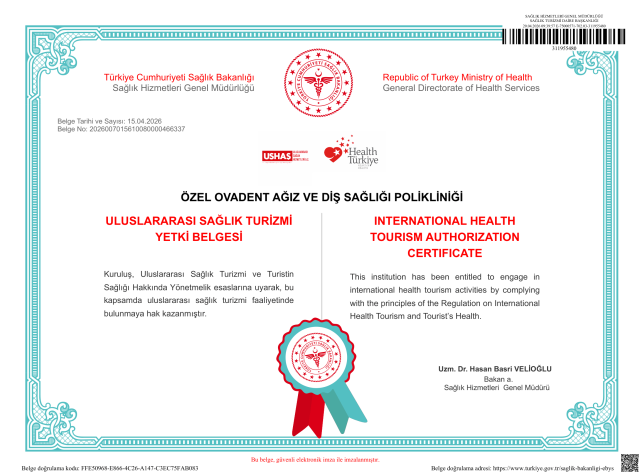
At Ova Dent in Alanya, our team of experienced dentists, including Dt. Emrah AVA and Dt. Hakan KAÇMAZ, specializes in comprehensive oral and maxillofacial surgery, dental implants, and personalized treatment planning. We assess each patient’s bone structure carefully and develop a strategy that addresses not only the missing tooth but also the underlying bone health.
Taking Action: Don’t Wait
If you’ve lost a tooth or multiple teeth, the time to seek treatment is now. The longer you wait, the more bone loss occurs, and the more complex future treatment may become. Early intervention preserves your options and helps maintain your natural facial contours.
Whether you’re a local resident in Alanya or visiting the region, our multilingual dental team is ready to help. We provide emergency dental care and comprehensive treatment planning to address tooth loss and safeguard your oral health.
Contact us today at +90 536 493 80 20 or visit us at Saray Mah. Best Home Sitesi, Hoca Ahmet Yesevi Sk. No:29/B A blok, 07400 Alanya/Antalya. You can also reach us via WhatsApp for convenience. Our clinic is open Monday–Saturday, 9:00 AM – 9:00 PM, and we welcome patients in English, German, Russian, Turkish, and Norwegian.
For more information about our services and approach to patient care, explore our Instagram page or visit us on Facebook to see our work and connect with our clinic community. You can also find us on Google Maps for directions and hours.
Your smile deserves the best care. Let us help you restore it.