At What Age Should Braces Be Considered: A Complete Guide
One of the most common questions parents ask is: “At what age should my child get braces?” The answer isn’t always straightforward, as the right timing depends on the individual’s dental development, the specific orthodontic needs, and professional evaluation. Understanding the ideal window for orthodontic treatment can help you make informed decisions about your family’s dental health.
Orthodontics isn’t just for teenagers. While many people associate braces with adolescence, modern orthodontic care spans all age groups—from early childhood through adulthood. Let’s explore when braces should be considered and how you can determine if your child or you might benefit from this treatment.
Early Childhood: The Foundation Years (Ages 7–10)
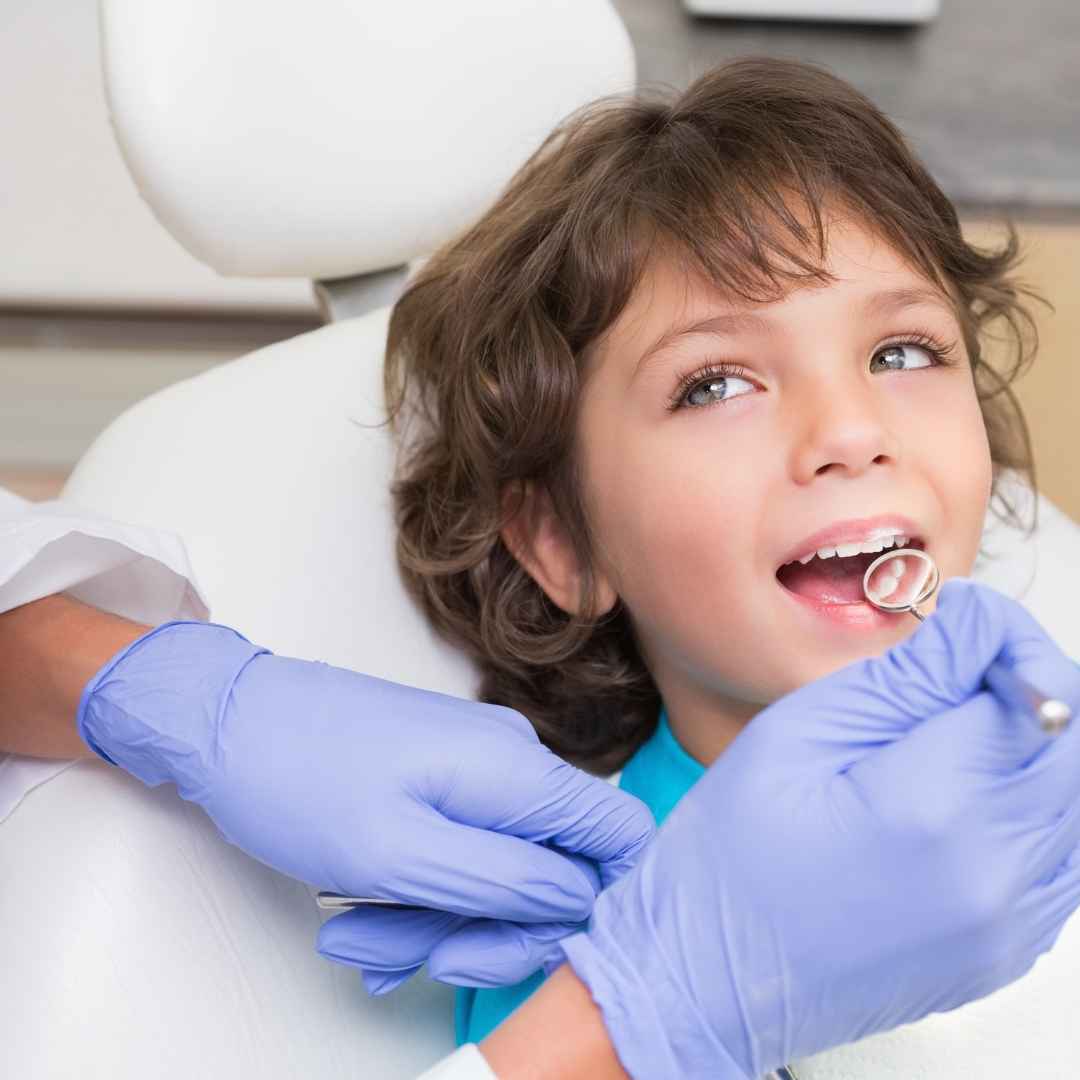
Around age 7, it’s a good time to schedule an orthodontic consultation, even if teeth appear straight. This is when dentists can identify developing problems early. At this age, a child’s mouth is still growing, and the mix of primary (baby) and permanent teeth is beginning.
Твой стоматолог в Алании may recommend early intervention if they notice:
- Crowded or overlapping teeth
- Bite problems (overbite, underbite, or crossbite)
- Thumb sucking habits affecting tooth alignment
- Jaw growth imbalances
- Premature tooth loss or delayed tooth eruption
Early interceptive treatment during these years can guide jaw growth and prevent more serious problems later, potentially reducing or eliminating the need for extensive treatment as a teenager.
Pre-Teen and Early Teen Years: The Optimal Window (Ages 10–14)
This is often considered the most common and convenient age for braces. By age 10–12, most of the permanent teeth have erupted (though not all), and the jaw is still developing rapidly. This combination makes it easier to move teeth and guide jaw growth effectively.
Several factors make this period ideal:
- Most permanent teeth are in place or erupting
- The jaw and facial bones are still malleable and respond well to orthodontic pressure
- Treatment typically takes 18–24 months, completing before high school transitions
- Teenagers can develop better self-care habits as they mature
- Growth spurts provide natural advantages for correcting bite and jaw alignment
If your child has moderate to severe misalignment, your dentist may recommend comprehensive orthodontic care during this window to achieve the best long-term results.
Mid-Teens and Older Teens (Ages 14–18)
Even if orthodontic concerns weren’t addressed earlier, braces can still be very effective during the mid-to-late teen years. At this age, all or nearly all permanent teeth are present, making comprehensive treatment straightforward.
Teenagers at this stage often show:
- Greater motivation and cooperation with treatment
- Improved oral hygiene awareness
- Ability to understand the importance of wearing aligners or maintaining appliances
- Readiness for various appliance options, including clear aligners like Invisalign
Modern dental clinics in Alanya offer diverse orthodontic options tailored to teenagers’ preferences and lifestyles, making treatment more comfortable and discreet.
Adulthood: It’s Never Too Late (Ages 18+)
Contrary to old assumptions, braces can be very effective at any age. Adult orthodontics has become increasingly popular, with many adults seeking to improve their smile and bite function. The only difference is that adult bones are fully formed, so the treatment timeline may be slightly longer, and jaw correction through growth isn’t possible—though that rarely affects cosmetic and functional outcomes.
Adults pursue braces for various reasons:
- Cosmetic improvement and smile confidence
- Functional bite correction affecting chewing and speech
- Prevention of uneven tooth wear and gum disease
- Preparation for other dental procedures, such as implant placement
- Personal motivation and life changes
If you’re considering implant treatment or other restorative work, proper tooth alignment beforehand can significantly improve outcomes. Your dentist can advise on whether orthodontics should precede or accompany other treatments.
Signs That Braces May Be Needed
Regardless of age, certain dental signs indicate orthodontic evaluation is worthwhile:
- Crowded teeth: Teeth overlap or are positioned irregularly
- Wide gaps: Noticeable spaces between teeth
- Bite problems: Overbite (upper teeth protrude), underbite (lower jaw extends beyond upper), or crossbite (some upper teeth sit inside lower teeth)
- Jaw misalignment: Asymmetry or clicking/popping jaw joints
- Difficulty chewing or speaking: Tooth positioning affects function
- Mouth breathing: May indicate underlying bite or jaw issues
- Tooth wear: Uneven wear patterns suggest bite problems
If you notice any of these signs in yourself or your child, scheduling a consultation with an experienced dentist is the first step.
Orthodontic Options Available Today
The choice of “when” also depends on what treatment options suit your lifestyle and preferences:
- Traditional Braces: Metal brackets and wires; effective at any age, particularly for complex cases
- Clear Aligners (Invisalign): Nearly invisible trays; popular with teens and adults seeking discretion
- Ceramic Braces: Tooth-colored brackets for a less visible appearance
- Lingual Braces: Placed behind teeth; completely hidden but require specialized expertise
Your dentist will recommend the most suitable option based on your specific needs, age, and treatment goals.
What to Expect During an Orthodontic Consultation
When you visit for an evaluation, the dentist will:
- Perform a thorough oral examination
- Take X-rays and digital scans to assess bone and tooth position
- Evaluate bite alignment and jaw function
- Discuss your concerns and treatment goals
- Explain recommended treatment options and timelines
- Answer questions about care and maintenance
This consultation helps determine not just whether braces are appropriate, but also the optimal timing and approach for your unique situation.
The Importance of Early Consultation
Even if you’re not ready to start treatment immediately, an early consultation provides valuable information. Early identification of orthodontic issues can prevent complications, reduce treatment duration later, and give parents and patients time to plan and prepare financially and emotionally.
Many dental professionals recommend the first orthodontic evaluation around age 7, allowing plenty of time to monitor development and intervene early if needed.
Conclusion: Finding the Right Time for Your Smile
There is no single “perfect age” for braces—the right time depends on individual dental development, specific concerns, and personal readiness. Early evaluation around age 7 is recommended to identify potential issues, while the most common treatment window remains ages 10–14. However, effective orthodontic care is possible at any age, and adulthood presents no barrier to achieving a healthier, straighter smile.
If you’re in Alanya and considering orthodontic treatment for yourself or your family, our experienced dental team is ready to provide personalized guidance. We offer comprehensive orthodontic consultations for patients of all ages, with treatment options including traditional braces and modern clear aligners. Schedule your evaluation today to determine the best timing and approach for your dental health goals.
Contact us at +90 536 493 80 20 or visit our location in Saray, Alanya to discuss your orthodontic needs. You can also reach out via WhatsApp for convenient consultation scheduling. Explore our work and connect with us on Инстаграм или Facebook to learn more about our orthodontic services and patient care approach.