How to Care for Dental Implants: A Complete Maintenance Guide
Dental implants are a significant investment in your oral health and quality of life. Unlike natural teeth, implants require a different approach to care and maintenance. Understanding proper implant care is essential to ensure their longevity and prevent complications. Whether you’ve recently had dental implant treatment or are considering this option, this guide will help you maintain your new smile for years to come.
Understanding Your Dental Implant Structure
A dental implant consists of three main components: the titanium screw (fixture) inserted into the jawbone, the abutment that connects to the screw, and the crown or prosthetic tooth placed on top. Each part plays a crucial role in the overall function and success of your implant. Proper care involves protecting all three components from damage and infection.
The implant itself integrates with your jawbone through a process called osseointegration, which creates a stable foundation. However, the surrounding gum tissue and bone must remain healthy for the implant to function properly over time.
Daily Cleaning and Oral Hygiene
Brushing Your Implants
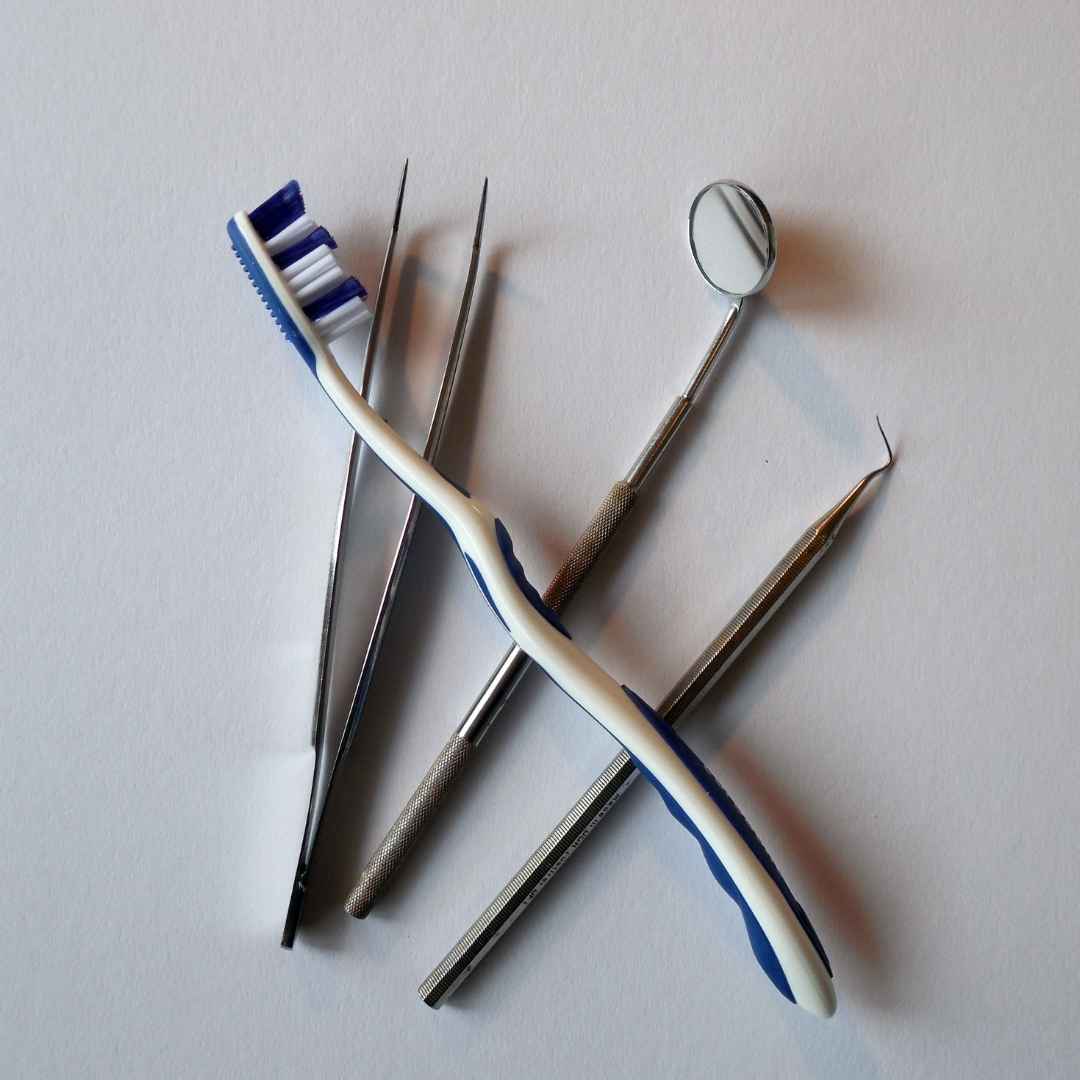
Brushing your dental implants should become part of your daily routine, just like caring for natural teeth. Use a soft-bristled toothbrush to gently clean around the implant crown and abutment area. Avoid aggressive brushing, which can irritate the surrounding gum tissue and potentially damage the crown.
When brushing, pay special attention to the area where the crown meets the gum line. This is where plaque tends to accumulate and can lead to gum inflammation if not removed regularly. Brush at least twice daily for two minutes each time.
Flossing Around Implants
Flossing is even more important for implant care than it is for natural teeth. Plaque buildup between the implant and adjacent teeth can cause gum disease and implant failure. However, traditional floss may not be ideal for implants.
Consider using:
- Implant-specific floss or tape — designed to be gentler on gum tissue around implants
- Water flossers — effective at removing debris and stimulating gums without causing damage
- Interdental brushes — small brushes designed to clean tight spaces between teeth and implants
- Oral irrigators — devices that use pulsating water to clean around implants thoroughly
Floss or clean between your implant and adjacent teeth at least once daily. Proper flossing prevents peri-implantitis, an infection that can compromise your implant’s stability.
Professional Dental Care and Regular Check-ups
Regular visits to your dentist are essential for maintaining your dental implants. Your dentist can detect early signs of problems that you might miss at home. Ideally, you should visit your dental professional every three to four months during the first year after implant placement, then at least twice yearly thereafter.
During these appointments, your dentist will:
- Examine the implant crown for chips, cracks, or looseness
- Check the surrounding gum tissue for signs of inflammation or infection
- Assess the stability of the implant through clinical examination
- Take X-rays to evaluate bone levels and implant integration
- Perform professional cleaning to remove stubborn plaque and tartar
If you’ve had dental treatment at a dental clinic in Alanya, maintaining regular follow-up appointments ensures your implants remain in optimal condition.
Avoid Harmful Habits and Behaviors
Dietary Considerations
While dental implants are strong, they require some care regarding what you eat. During the healing period after implant placement, soft foods are recommended. Even after healing, avoid extremely hard, sticky, or crunchy foods that can damage the crown.
Foods and habits to avoid include:
- Hard candies and nuts that can crack the crown
- Sticky foods like caramel or chewing gum that can dislodge the crown
- Chewing on ice or other non-food items
- Extremely hot foods or beverages immediately after treatment
- Excessive consumption of sugary or acidic foods that promote bacterial growth
Protect Your Implants During Physical Activity
If you participate in contact sports or activities with a risk of impact to your face or mouth, wear a protective mouthguard. A custom-made mouthguard offers better protection than generic options and won’t interfere with your implant’s stability.
Quit Smoking and Limit Alcohol
Smoking significantly increases the risk of implant failure by reducing blood flow to the healing tissues and increasing the risk of infection. If you smoke, discuss smoking cessation strategies with your healthcare provider. Similarly, excessive alcohol consumption can weaken your immune system and compromise healing.
Monitor for Signs of Complications
Be vigilant about potential problems with your implant. Contact your dentist if you notice:
- Persistent pain or discomfort around the implant site
- Swelling or redness of the gum tissue
- Bleeding gums when brushing or flossing
- Pus or discharge from around the implant
- Looseness of the crown or visible movement
- Difficulty chewing or bite problems
Early detection of complications allows for timely intervention and helps preserve your implant. For comprehensive evaluation and care, consult with an experienced dental professional who understands implant maintenance and can address any concerns.
Use Recommended Oral Care Products
Choose oral care products specifically designed to be gentle on implants:
- Non-abrasive toothpaste — avoid highly abrasive formulas that can scratch the crown
- Antimicrobial mouthwash — helps reduce bacterial growth around the implant
- Fluoride products — strengthen surrounding natural teeth and support overall oral health
- Gentle electric toothbrushes — can be effective when used with a soft bristle setting
Ask your dentist which products they recommend for your specific situation, as individual needs may vary.
Long-Term Implant Success and Maintenance
Dental implants can last 20+ years or even a lifetime with proper care and maintenance. The key to long-term success is commitment to consistent oral hygiene, regular professional check-ups, and a healthy lifestyle. Think of your implant care routine as an investment in preserving your smile and overall oral health.
Your implant’s longevity depends not just on the quality of placement but on how well you care for it afterward. By following these guidelines and maintaining communication with your dental team, you can enjoy the benefits of your implant for decades to come.
Getting Professional Guidance in Alanya
If you have recently received a dental implant or are considering implant treatment, professional guidance from experienced practitioners is invaluable. Ova Dent Clinic in Alanya provides comprehensive implant care, from initial placement through long-term maintenance. Our experienced dental team understands the nuances of implant treatment and can provide personalized guidance for your specific needs.
You can also reach out to us through our Instagram page or contact us directly at +90 536 493 80 20 for any questions about implant care. We offer multilingual support and are committed to helping you maintain your investment in oral health.
Заключение
Caring for dental implants requires dedication and consistency, but the reward is a functional, natural-looking tooth that can serve you for many years. By maintaining excellent oral hygiene, avoiding harmful habits, attending regular check-ups, and monitoring for any signs of problems, you can significantly extend the life of your implant. Remember that your implant’s success is a partnership between your efforts at home and the professional care you receive from your dental team. Make implant care a priority in your daily routine, and enjoy the confidence that comes with a healthy smile.